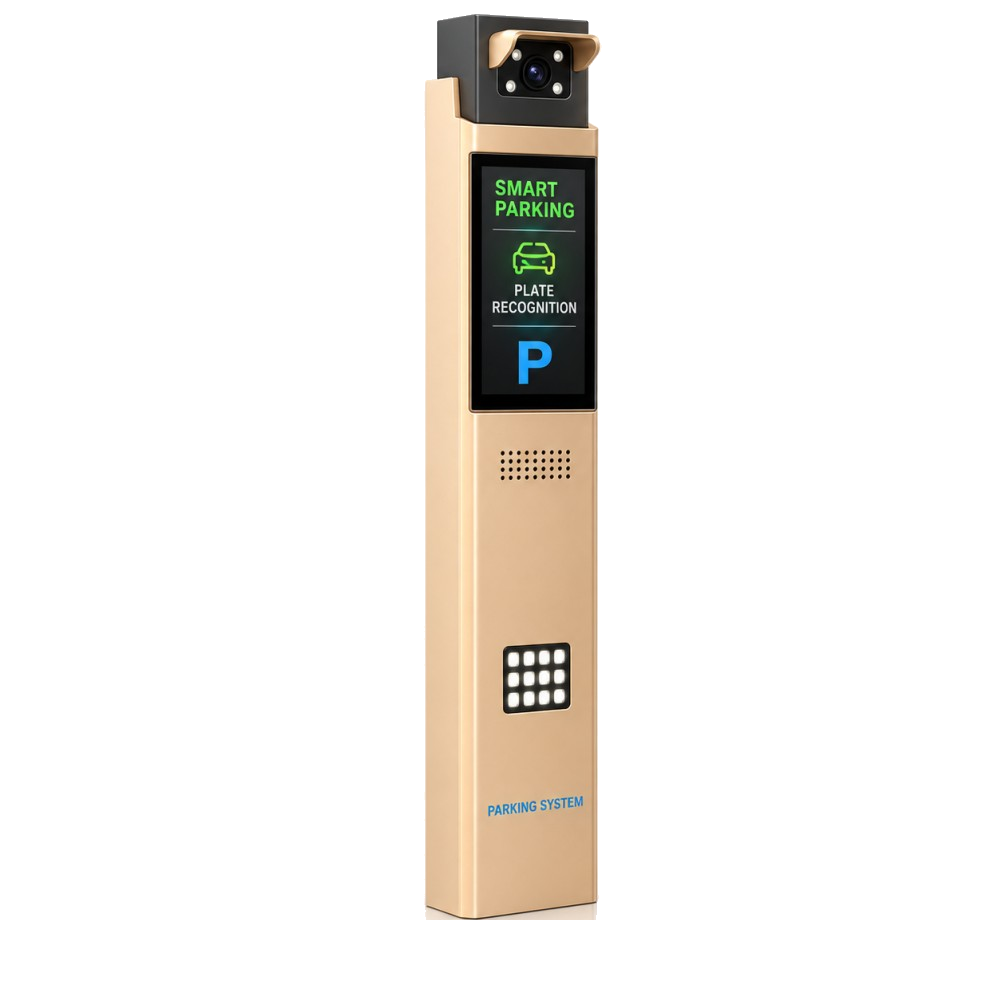
Guests notice the parking experience before they reach reception. A clear entrance, simple visitor rules and a reliable way to handle exceptions help the property keep arrivals moving. We plan the guest, staff and short-stay journeys together, then match the barrier, identification, payment and management options to the hotel’s layout and operating policy.
A hotel car park may serve overnight guests, restaurant visitors, event attendees, contractors and employees in one day. Each group can have a different permitted stay, charge or route. When those rules are unclear, reception ends up resolving parking issues while vehicles wait at the gate.
The parking policy is the useful starting point. Who may enter, where can a vehicle wait, and who helps when access fails? A city-centre entrance with little queue space needs a different plan from a resort with several parking areas. If spaces are shared with retail or offices, the operator also needs a clear division of permissions, validation and charges. Resolving these questions early reduces rework during equipment selection.
Build the workflow around each driver
Overnight guests
Map the stay from arrival to departure. A registered plate, ticket or operator approval could start a parking session, depending on the information the hotel can supply. The exit rule needs to cover an extended stay, an extra vehicle and a lost credential without forcing every case through reception. If reservation data must reach the parking system, agree the PMS interface, data owner and test cases before specifying the connection.
Visitors and staff
Restaurant and event guests may need short-stay validation or payment. Employees may use a registered plate or credential with access at defined hours. Shared lanes work best when signs and exception handling stay simple. Where a separate staff entrance is possible, compare it with the staffing and operating effort of mixed traffic. Give reception and security one agreed procedure for plate mismatches, lost tickets and walk-in visitors.
Lane release and records
At entry, the chosen method identifies or registers the vehicle, applies the relevant rule and releases the lane under its safety controls. At exit, the parking session is resolved through the hotel’s agreed validation or payment process. Recording staff intervention helps the operator understand where guests need help and where the rules need adjustment. Payment methods and external interfaces are confirmed for the destination market.
A covered arrival lane or basement may not have room for a straight boom to rise. A folding arm can make that layout workable once its movement and clearances are checked against the drawings.
Plate capture and driver-facing information at the lane can support a guest or staff access process. Camera position, lighting and the hotel’s exception procedure determine the fit.
Where short-stay parking is charged, an unattended payment point may reduce the number of transactions handled at reception. Available payment methods and local requirements need confirmation.
This category provides a starting point for defining who can park, how a stay is recorded and when validation applies. Confirm the required modules and interfaces as part of the project scope.
Lane count, width and overhead clearance determine which barrier formats can fit. Check-in and event peaks determine how much queue space the property needs and whether vehicles can wait without blocking the public road. A site plan should also show pedestrian crossings, foundations, power, network routes and any payment point.
The operating team should agree who grants exceptions, what happens when a guest arrives before check-in and how access works if a plate cannot be read or the network is unavailable. These decisions affect both equipment and staffing. Safety detection, manual release and emergency access must be specified for the actual lane. If a PMS or payment platform is involved, include its interface documents and the party responsible for testing.
Why work with us
We bring lane design, identification and software questions into one project discussion. That helps an integrator see how guest rules, staff access, barrier movement and operator decisions fit together before ordering equipment. We can review custom configuration or OEM/ODM needs, document the required interfaces and communicate the remaining test points clearly. The result is a more useful brief for quotation and implementation.
For a broader mixed-use parking comparison, see Commercial Parking. If the property shares access with a workplace, Office Building Parking covers employee and visitor permissions in more detail.
Tell us about your parking project
Send us your drawings, lane dimensions, guest and visitor rules, expected arrival peaks and any payment or validation requirements. Include PMS or operator-system documents if an interface is needed. We can then discuss a suitable equipment configuration and the points to confirm before implementation.
To provide the best experiences, we use technologies like cookies to store and/or access device information. Consenting to these technologies will allow us to process data such as browsing behavior or unique IDs on this site. Not consenting or withdrawing consent, may adversely affect certain features and functions.
Functional
Always active
The technical storage or access is strictly necessary for the legitimate purpose of enabling the use of a specific service explicitly requested by the subscriber or user, or for the sole purpose of carrying out the transmission of a communication over an electronic communications network.
Preferences
The technical storage or access is necessary for the legitimate purpose of storing preferences that are not requested by the subscriber or user.
Statistics
The technical storage or access that is used exclusively for statistical purposes.The technical storage or access that is used exclusively for anonymous statistical purposes. Without a subpoena, voluntary compliance on the part of your Internet Service Provider, or additional records from a third party, information stored or retrieved for this purpose alone cannot usually be used to identify you.
Marketing
The technical storage or access is required to create user profiles to send advertising, or to track the user on a website or across several websites for similar marketing purposes.