Product type
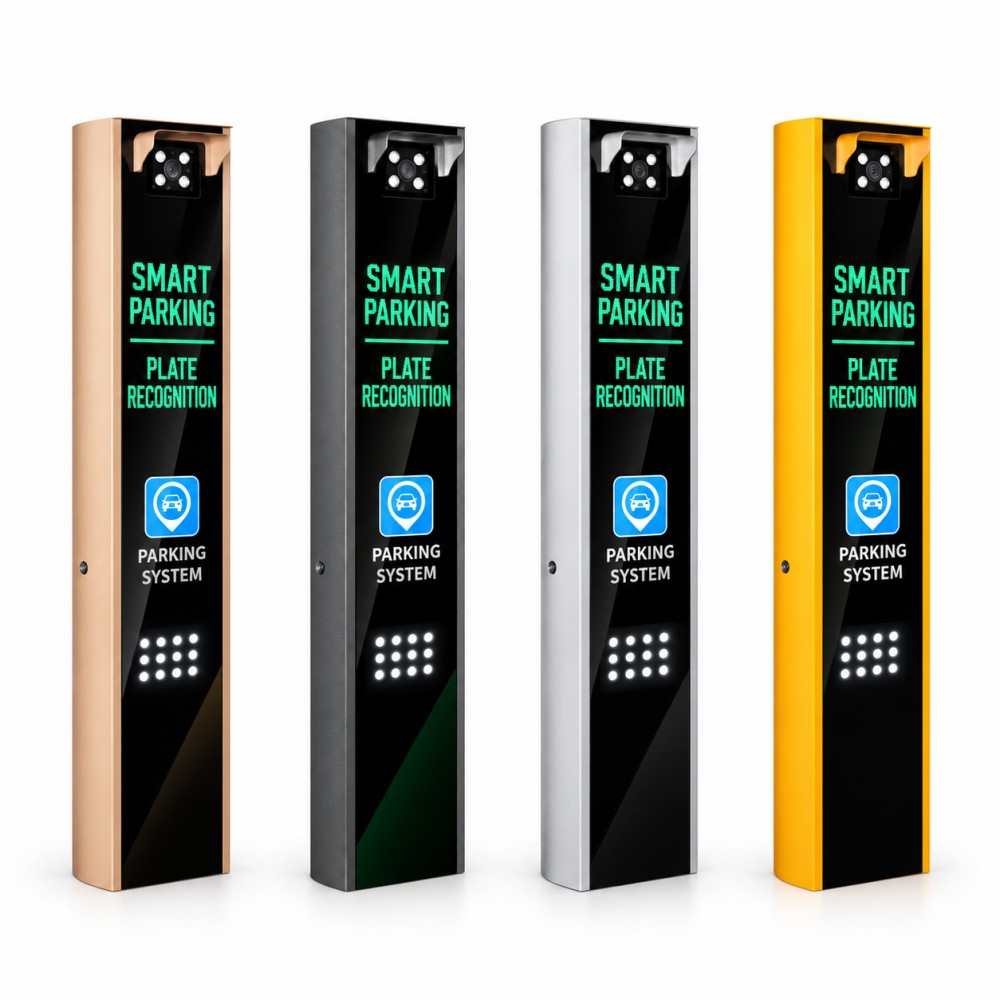
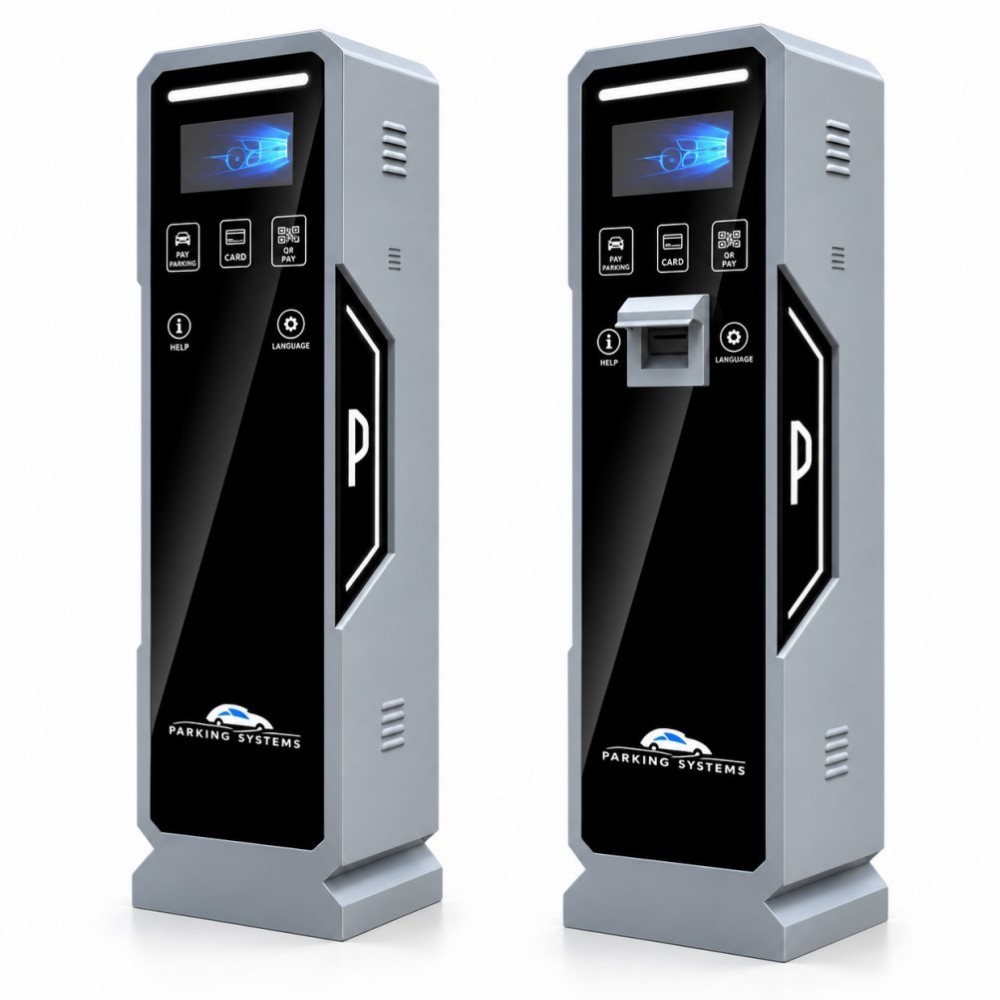
LPR/ANPR Parking Terminals
Lane-side terminals combining plate-recognition workflows with displays and entrance equipment options.
Product model: ZB-P01–ZB-P06
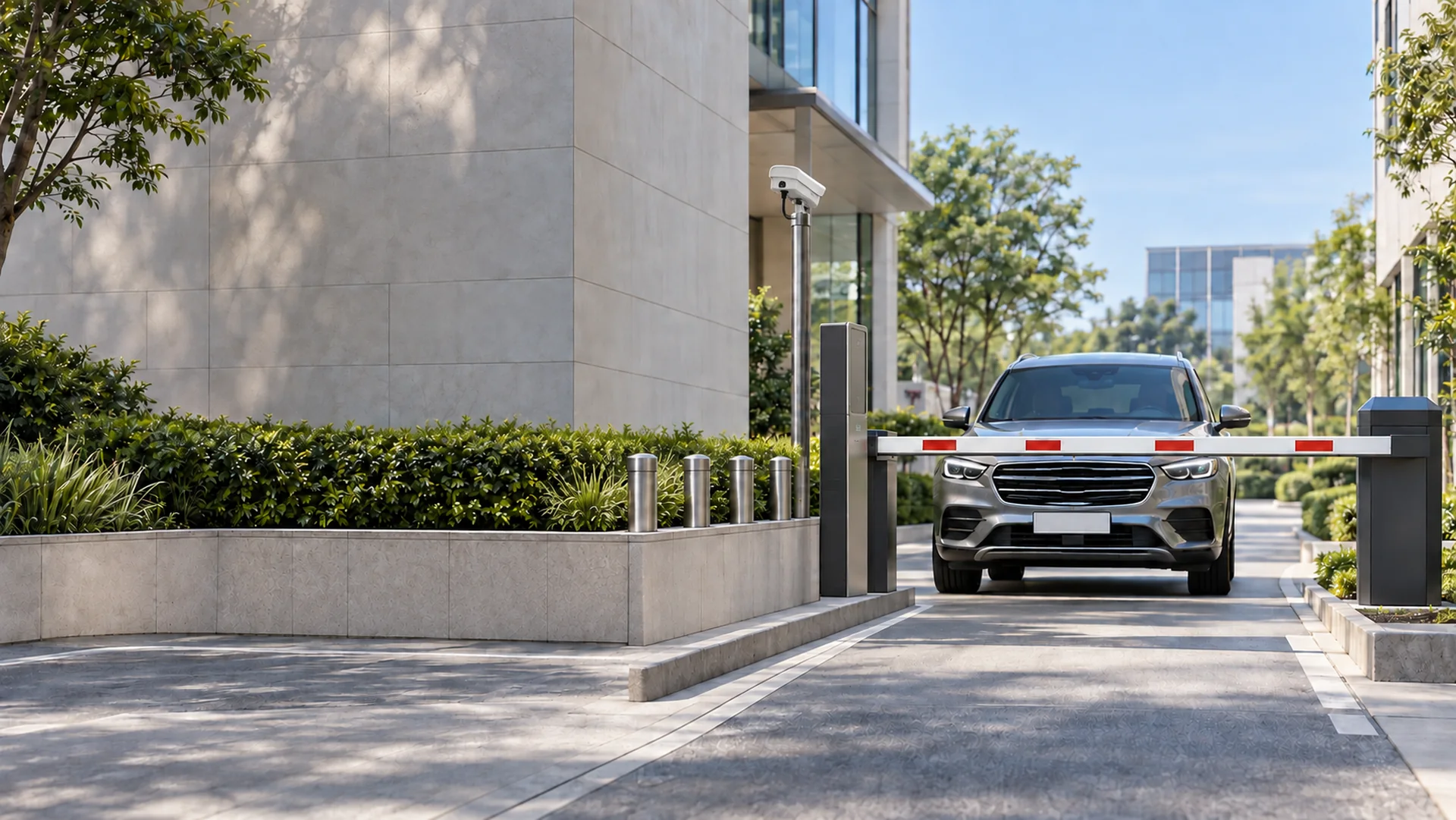
Plate-based vehicle identification
Select the identification, entry, exit and payment equipment needed for the parking workflow without duplicating complete-system solution content.
About this product series
A clear category overview helps connect product choices to the real entrance, users and operating workflow.
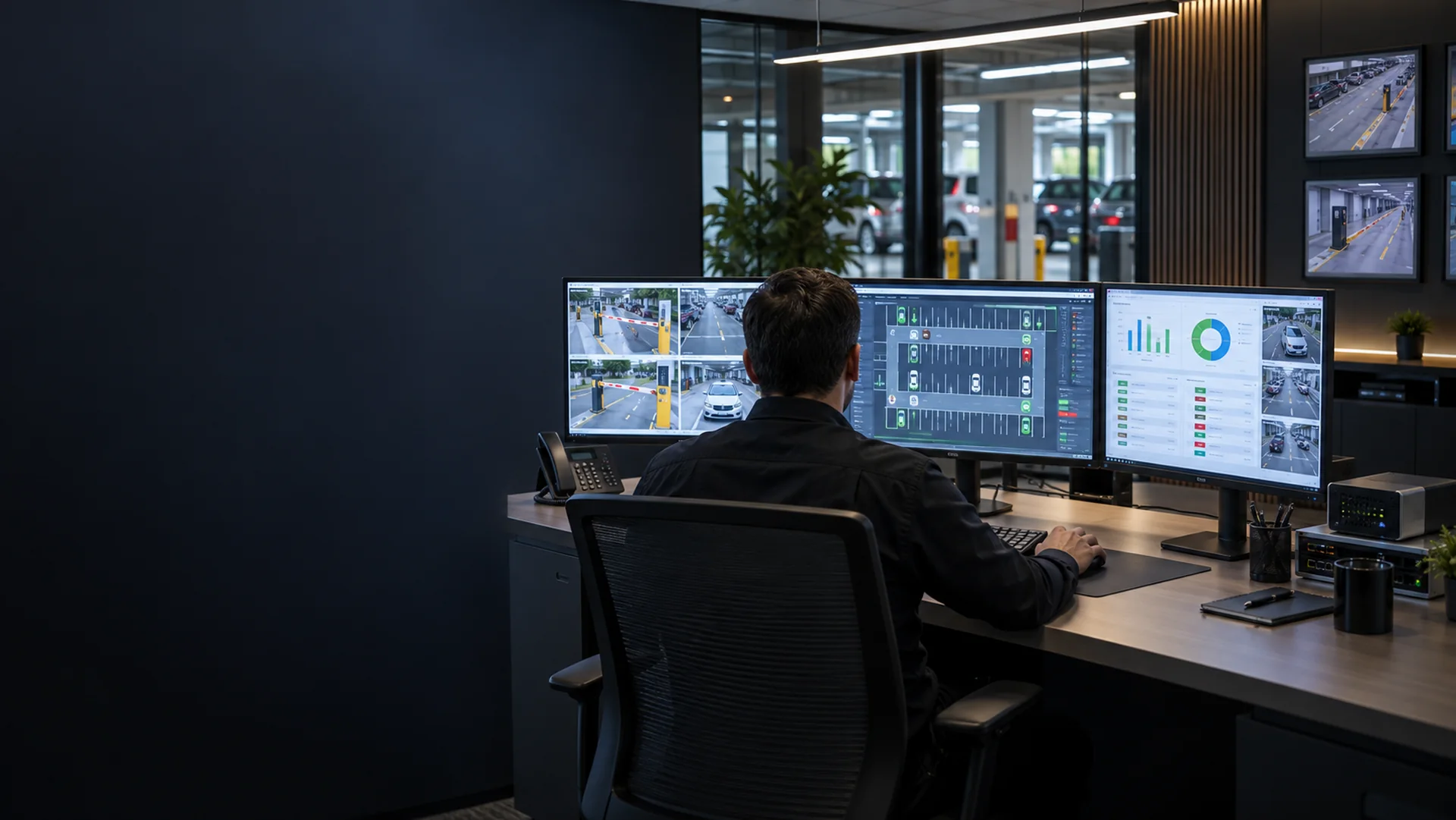
Parking system equipment connects vehicle identification, entry and exit decisions, user interaction and payment workflows. We help project buyers compare LPR terminals, recognition cameras, RFID readers, ticket dispensers, payment kiosks and POS devices as parts of one operational design. Equipment should be selected around the lane process, network and local payment requirements—not as isolated hardware. This page explains the role of each product type and the information needed to prepare a compatible parking configuration. For management functions, see Parking Management Software.
Product types
Compare the available product paths. Check each linked product page for its current models and confirm final technical data for the project.
Product type
Lane-side terminals combining plate-recognition workflows with displays and entrance equipment options.
Product model: ZB-P01–ZB-P06
Product type
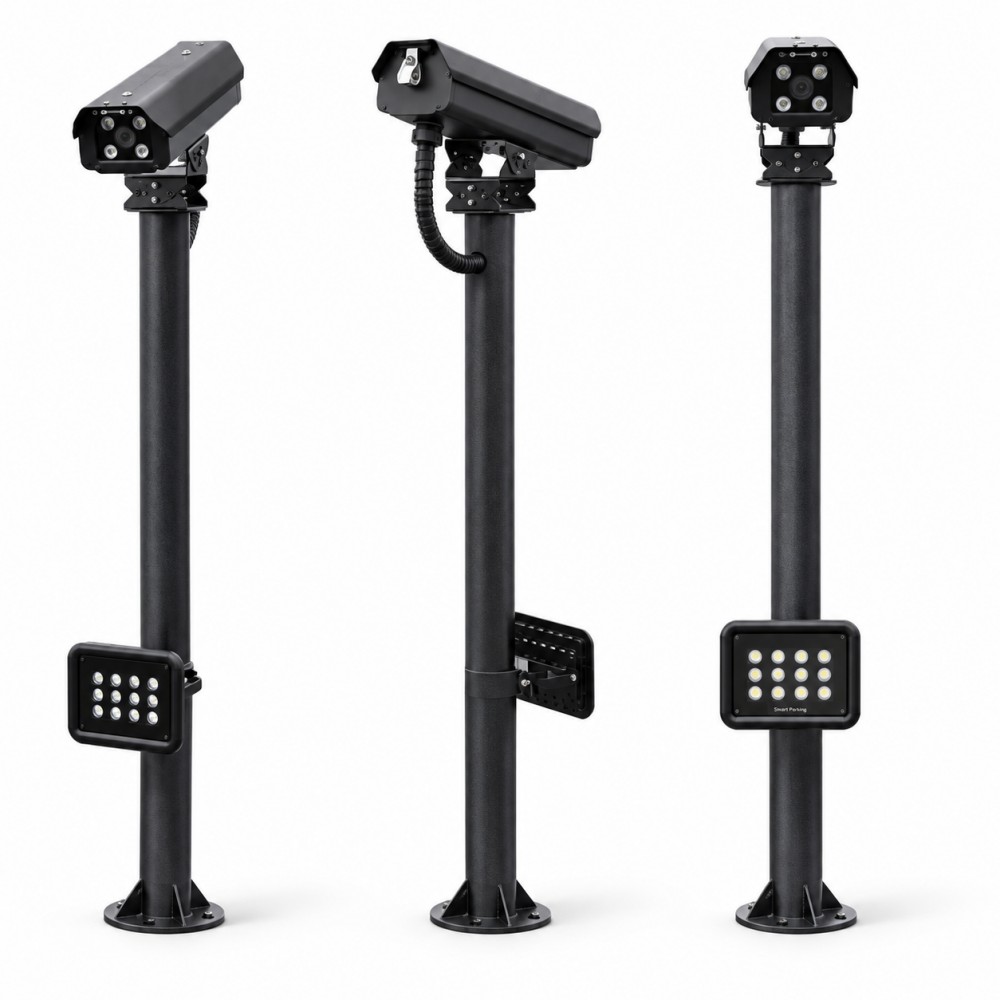
Plate-capture and recognition units reviewed around lane geometry, lighting and plate formats.
Product model: ZB-FZ01 / ZB-FZ02
Product type
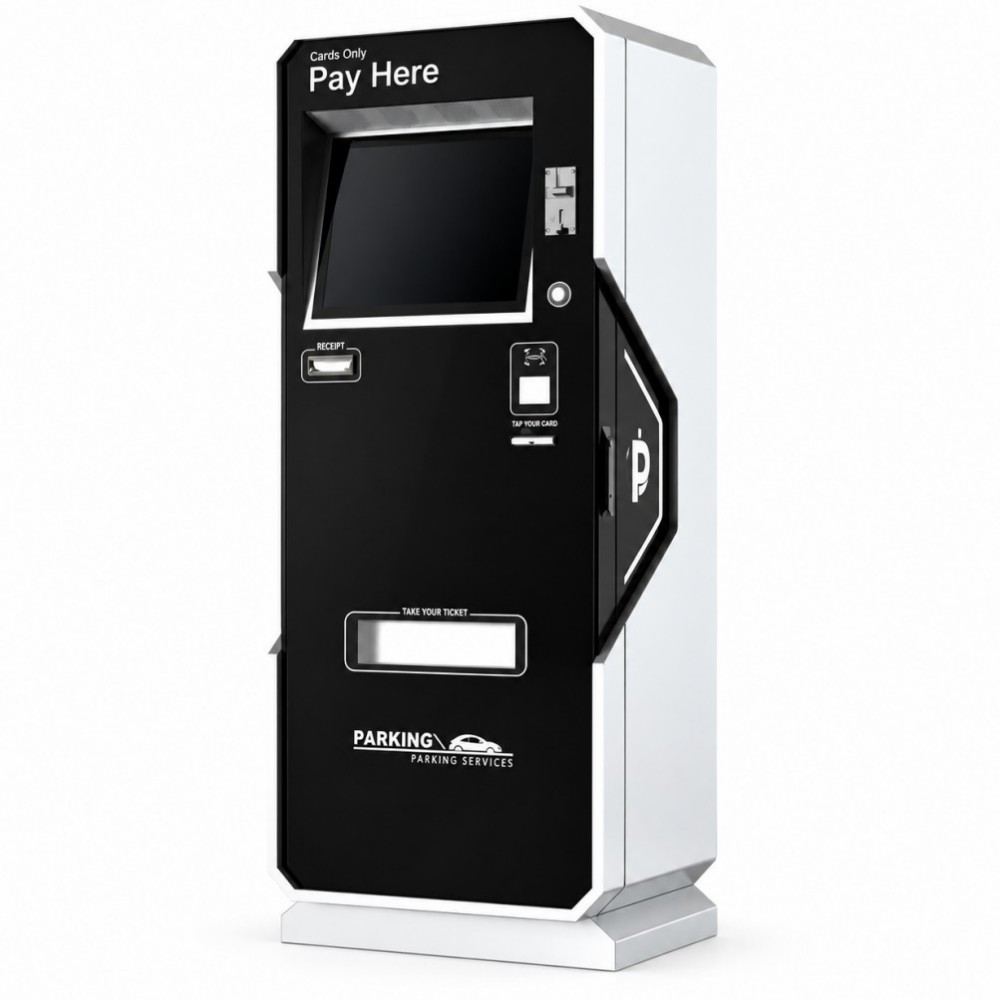
Product model: ZB-TM01 / ZB-TM02
Product type
Self-service payment equipment reviewed against the destination, payment workflow and verified methods.
Product model: ZB-PM01
Product type
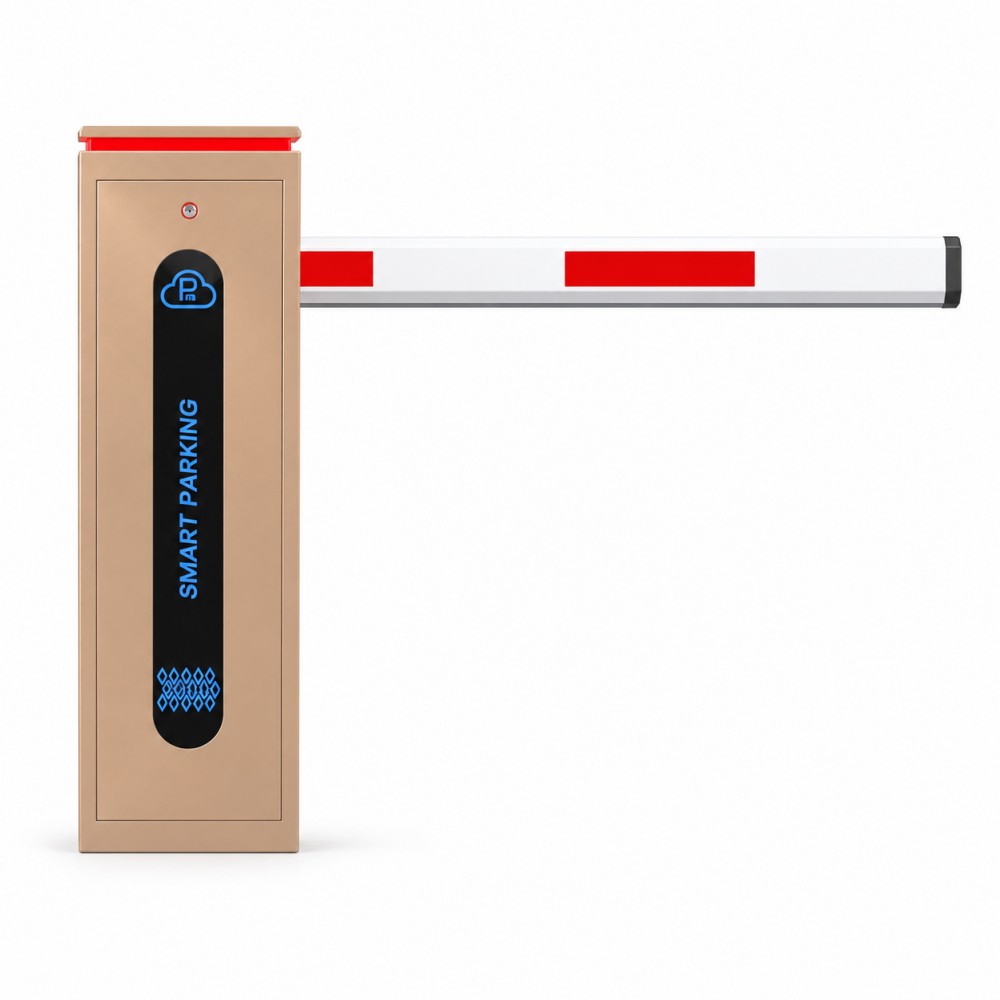
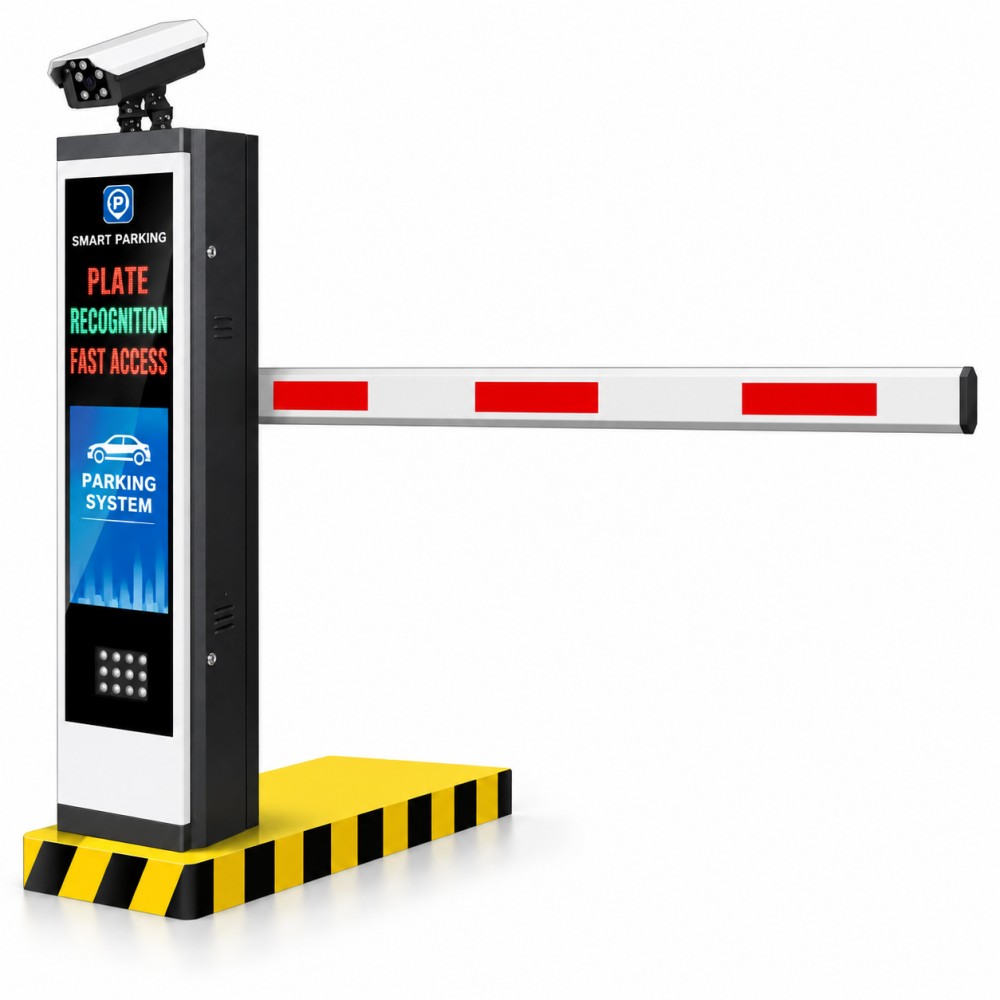
Integrated barrier gate configurations combine vehicle access control and license plate recognition in one project path.
Product model: ZB-IP01 / ZB-IP02
Selection overview
Use these points to narrow the product path before confirming an individual model.
Product knowledge
Understand the differences, system relationships and selection logic before comparing individual models.
01
Define what each user does at entry, during parking and at exit before selecting terminals or payment equipment.
02
A plate, card or ticket identifies a parking event; tariff calculation and payment are separate functions that must connect correctly.
03
Cameras, readers, terminals, barriers, servers and payment devices need confirmed communication and fallback behaviour.
How it works
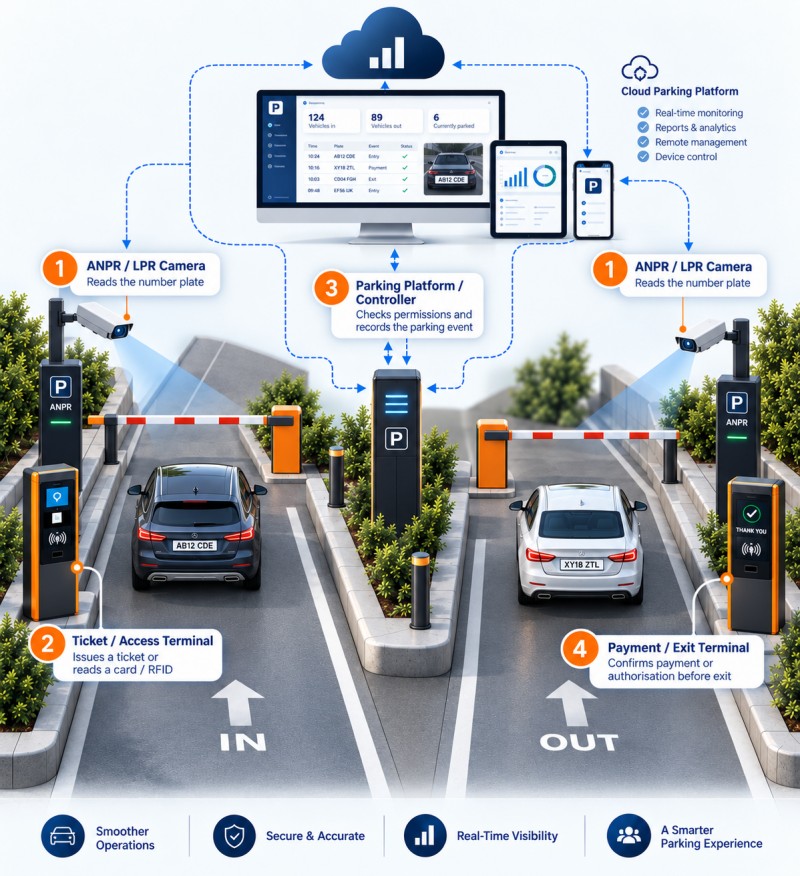
This workflow explains the typical sequence. The exact devices and control logic depend on the confirmed configuration.
01
A camera, RFID reader or ticket terminal identifies the vehicle or issues a credential.
02
The controller or software checks permissions and sends the required lane command.
03
The system stores entry, exit, user and optional tariff information according to the workflow.
04
Payment or authorisation is confirmed before the barrier opens and the event is closed.
Applications
Match the product family to the users, traffic and operating priorities of the site.
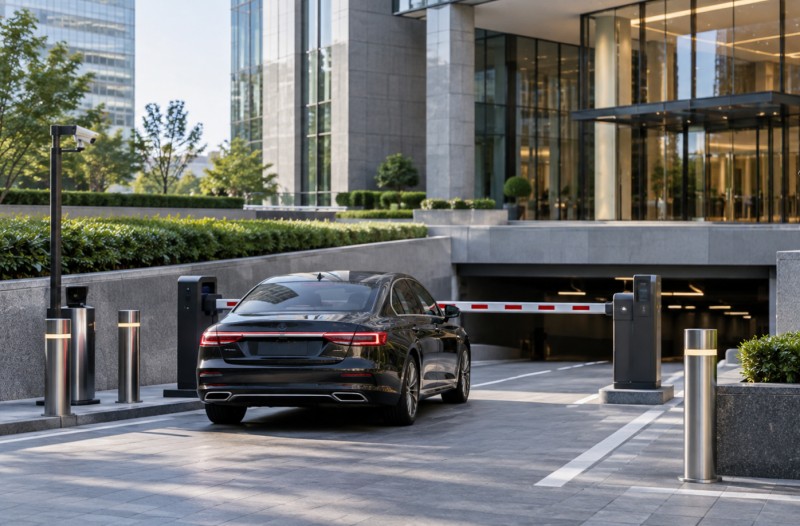
Combine transient parking, tenant access and optional payment.
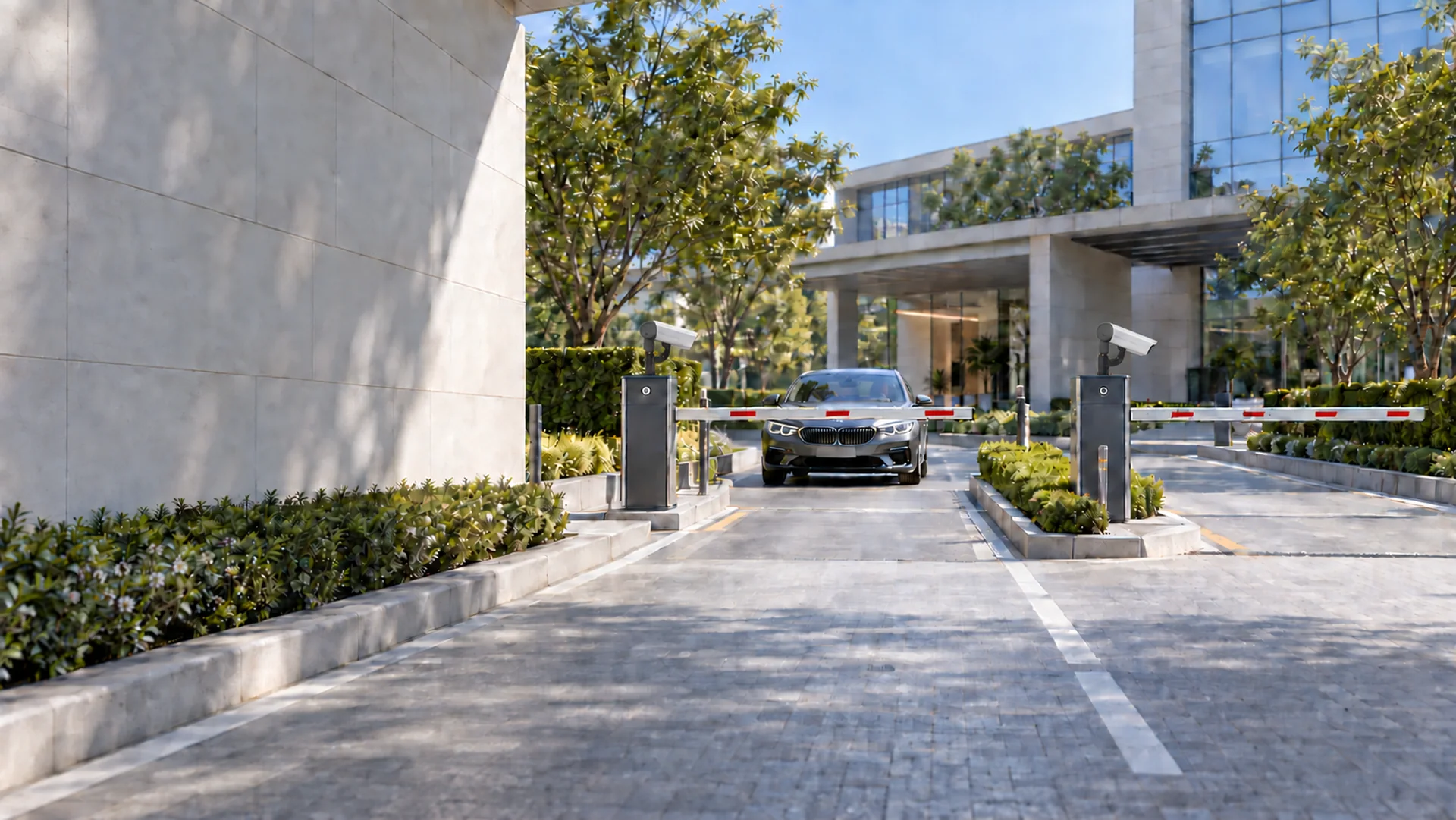
Manage registered users, visitors and reserved parking.
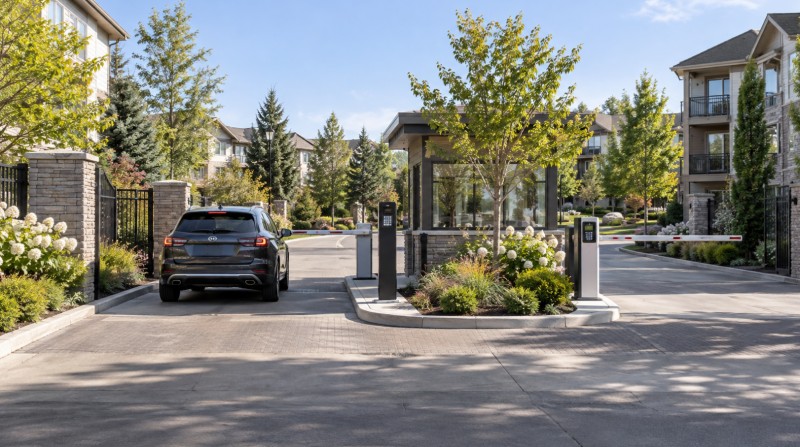
Support resident credentials and controlled visitor entry.
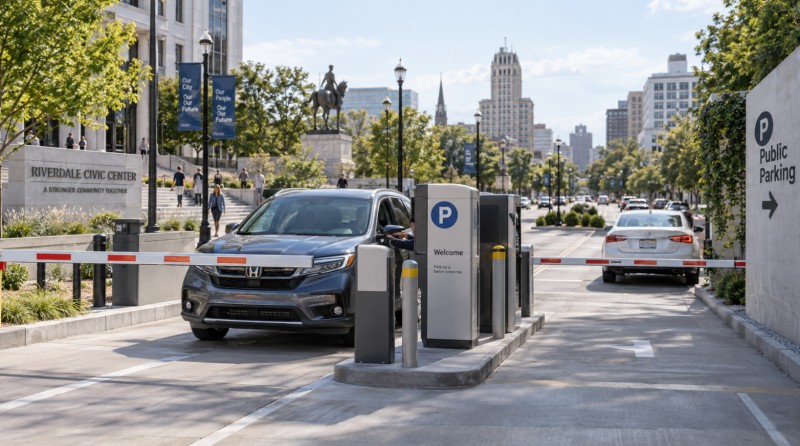
Coordinate ticketless or ticketed workflows with accountable records.
FAQ
Answers to common questions that arise before product selection and quotation.
Choose according to users, enforcement needs, visitor frequency, operating environment and the desired entry experience.
Potentially, but protocols, electrical signals, data ownership and failure behaviour must be confirmed.
Specify payment methods, currency, receipts, tax or fiscal rules and whether payment occurs at a kiosk, exit or external platform.
Simple access may use local control, while multi-lane, paid or report-driven projects normally require management software.
Provide the lane workflow, equipment quantity, network plan, identification method, payment needs and destination.
Project enquiry
Share the basic application and project requirements. Our team will review the information and follow up on a suitable product path.
More products
Continue comparing our product families for vehicle, pedestrian and parking-management projects.