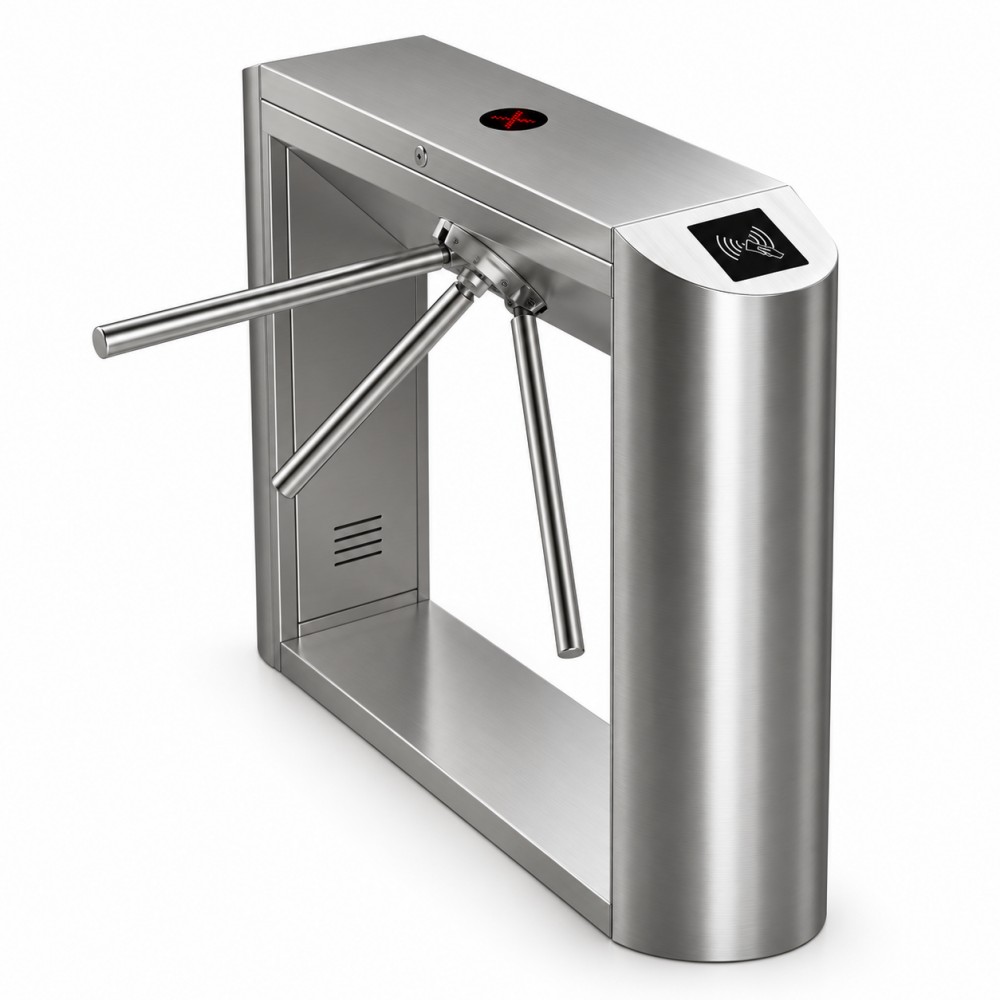
Product type
Tripod Turnstiles
Compact controlled-entry turnstiles for supervised and credential-based pedestrian access.
Product model: To be confirmed
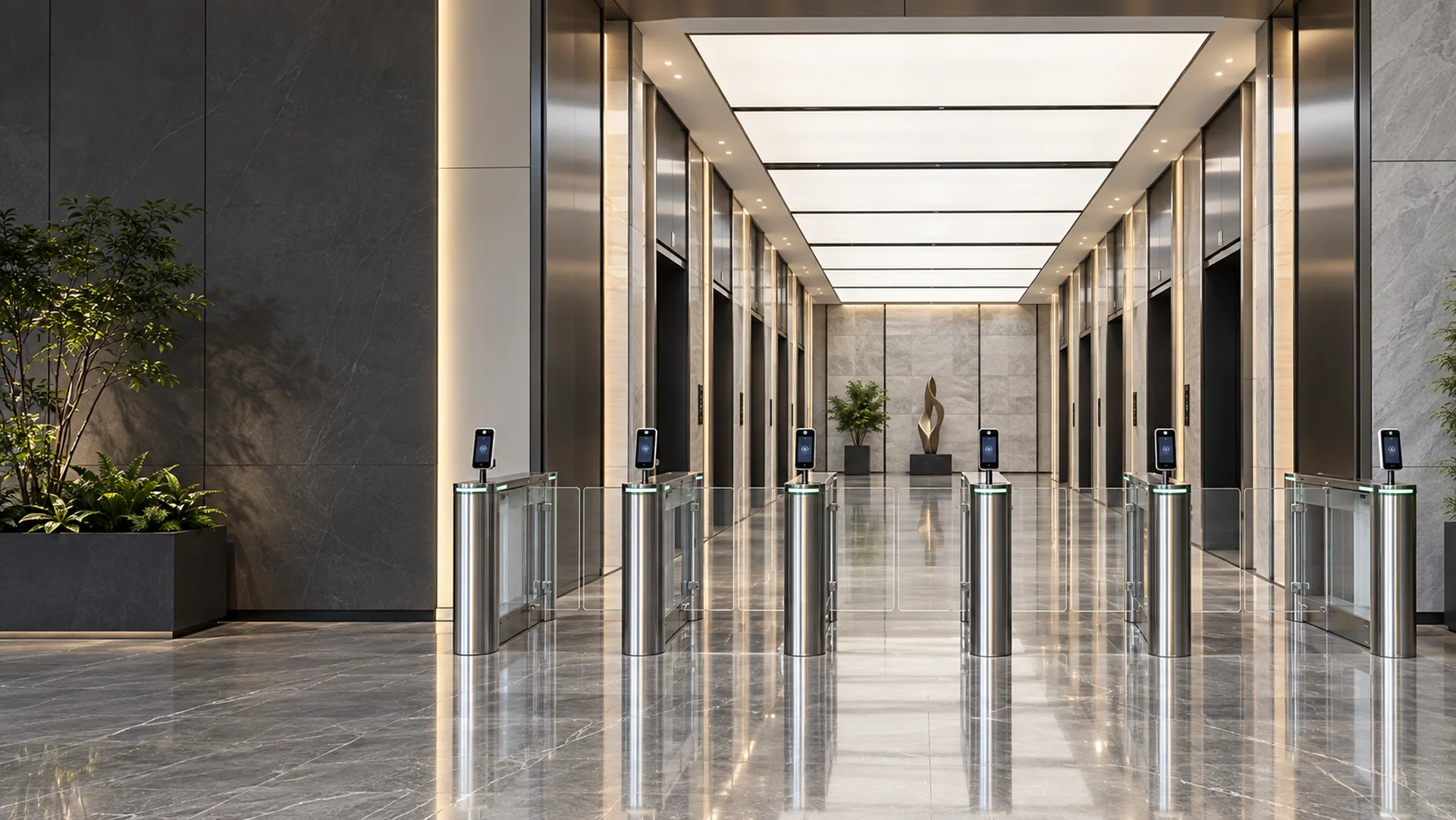
Pedestrian entrance control
Compare pedestrian-lane formats by site security, lane width, user flow, accessibility and emergency-release requirements.
About this product series
A clear category overview helps connect product choices to the real entrance, users and operating workflow.
Turnstiles and pedestrian access gates organise how employees, visitors, residents and authorised guests enter a controlled area. We support B2B buyers and system integrators in comparing lane formats, throughput, accessibility, credential readers and emergency-release requirements. The correct gate should match the security level and user journey rather than being selected by appearance alone. This page brings the main product types together and explains the operational questions that influence layout, integration and quotation.
Product types
Compare the available product paths. Confirmed model numbers and final technical data will be added after the product records are approved.
Product type
Compact controlled-entry turnstiles for supervised and credential-based pedestrian access.
Product model: To be confirmed
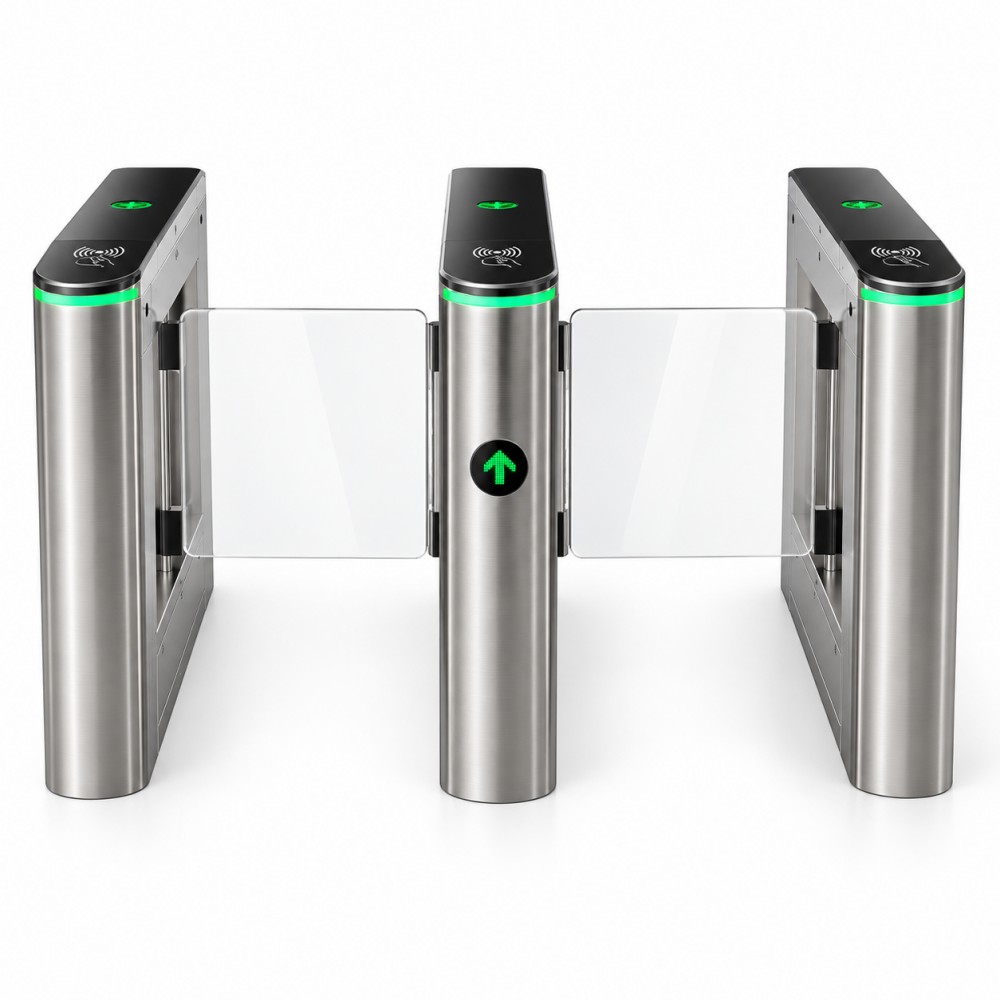
Product type
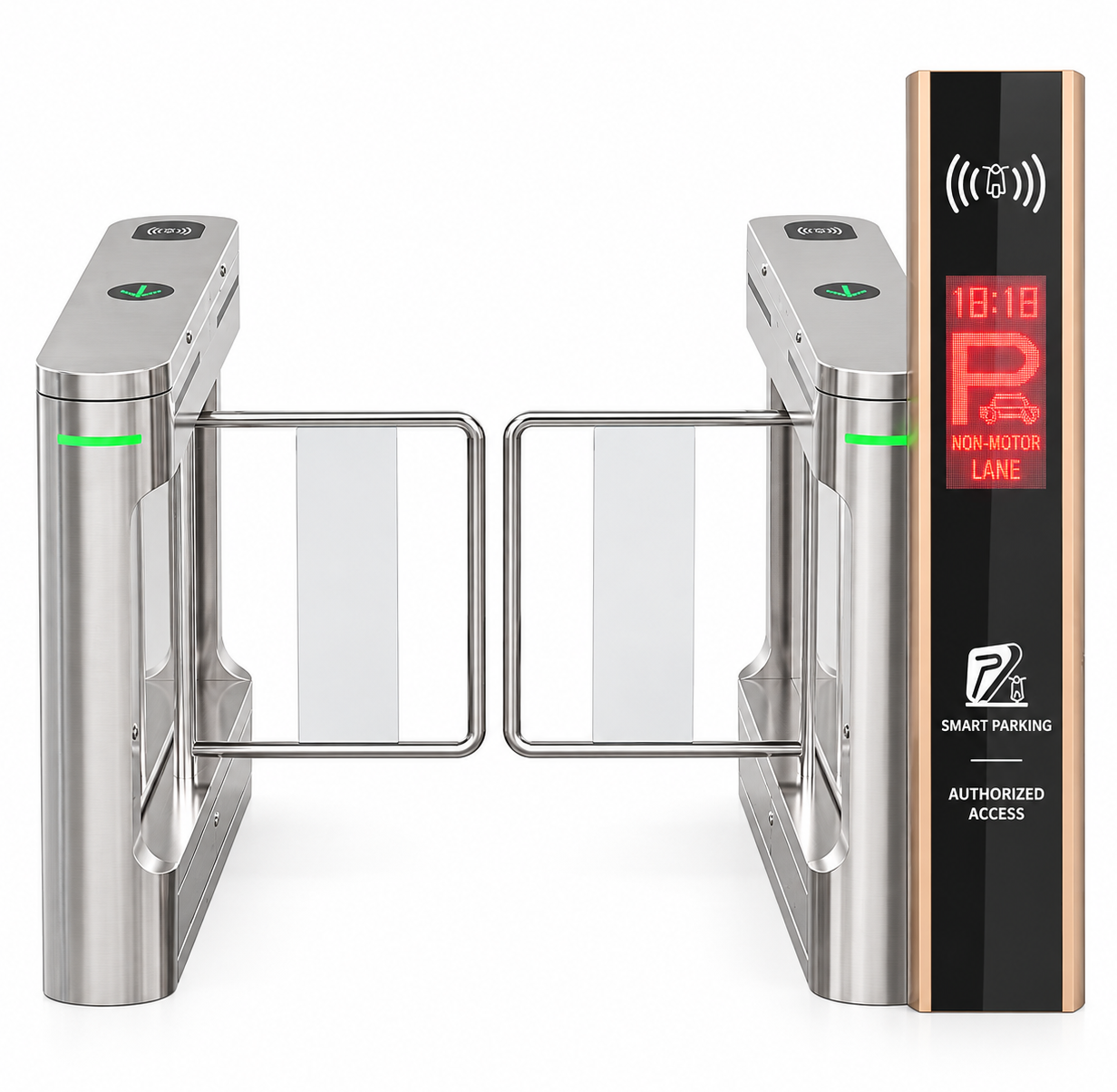
Swing-panel pedestrian gates reviewed around lane width, user type and accessibility needs.
Product model: To be confirmed
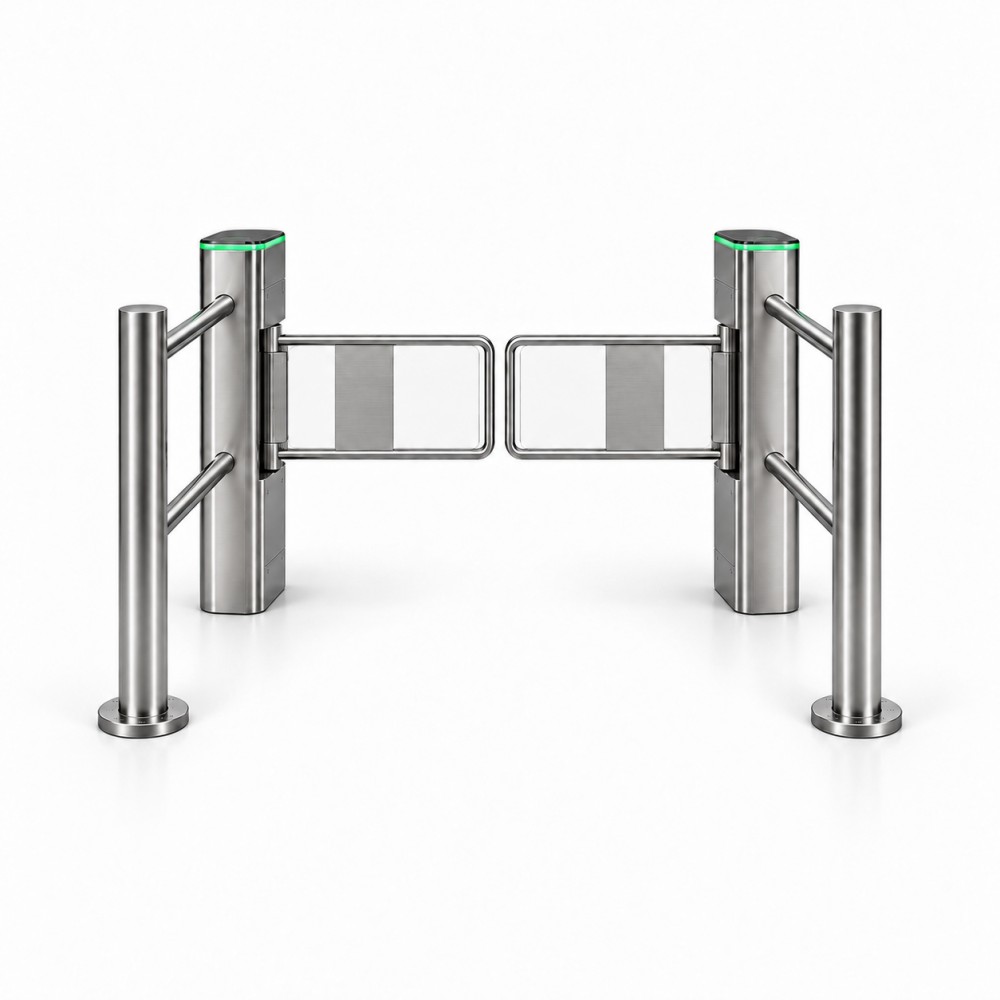
Product type
Flap-panel entrance lanes reviewed around traffic flow, safety logic and controlled-area requirements.
Product model: To be confirmed
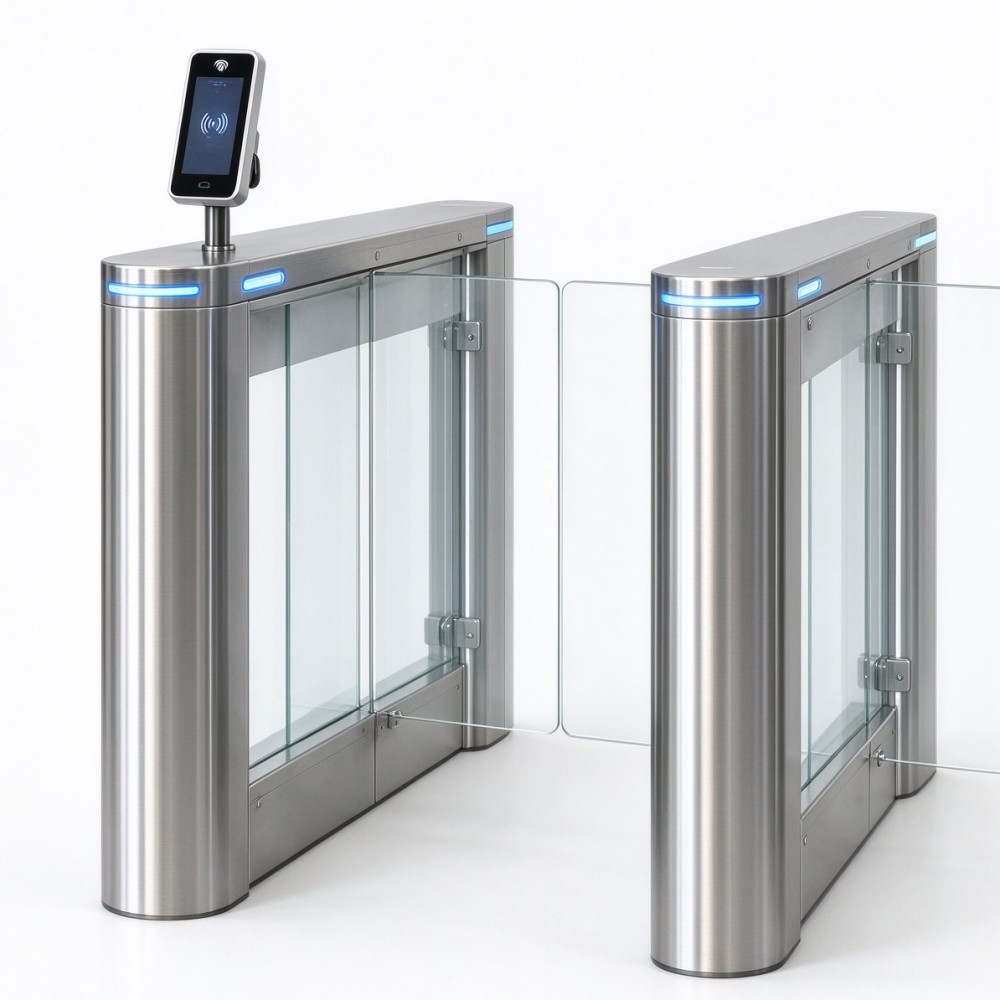
Product type
Optical pedestrian lanes for higher-flow entrances where detection and safe passage must be defined.
Product model: To be confirmed
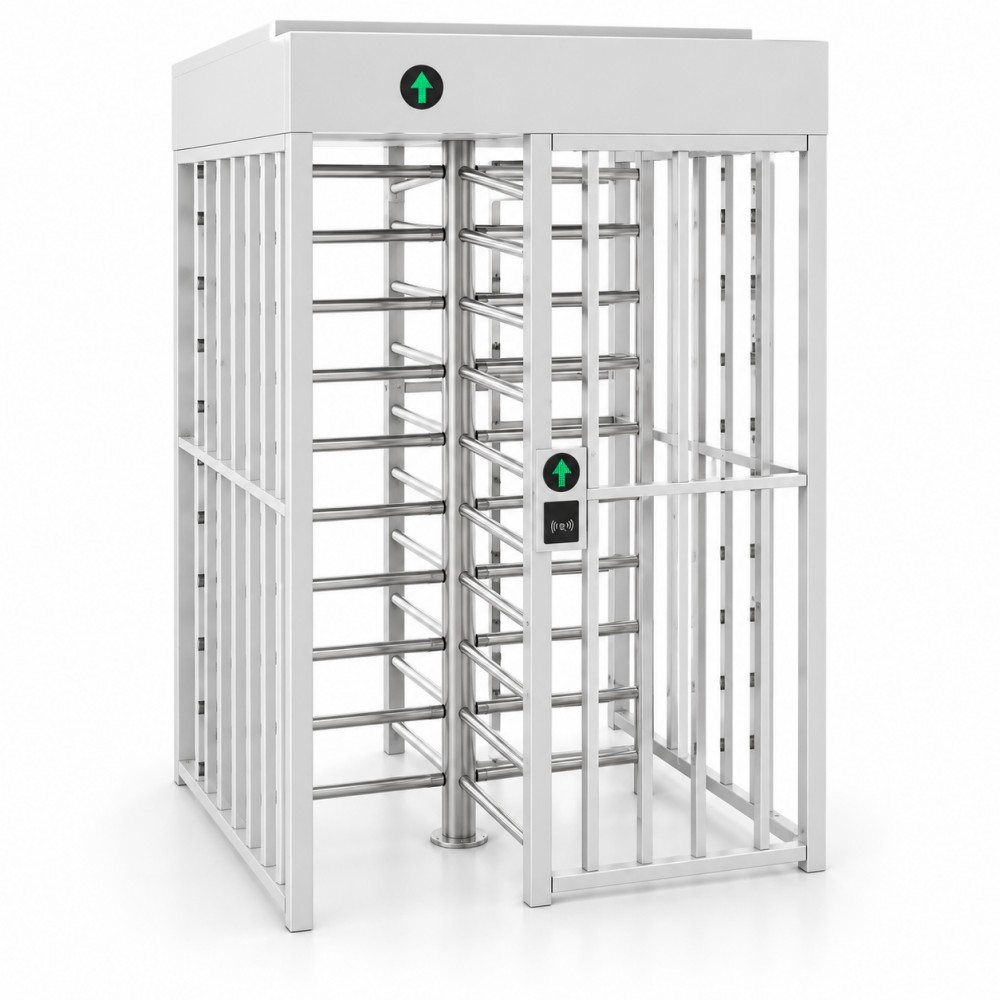
Product type
Full-height controlled-entry formats for perimeter and restricted-area applications.
Product model: To be confirmed
Selection overview
Use these points to narrow the product path before confirming an individual model.
Product knowledge
Understand the differences, system relationships and selection logic before comparing individual models.
01
Tripod, swing, flap, speed and full-height products provide different balances of deterrence, comfort, accessibility and throughput.
02
Normal users, accessible passage, visitors, deliveries and emergency movement may require different lane arrangements.
03
Reader position, controller logic, alarm outputs and emergency behaviour should be documented before equipment is fixed on site.
How it works
This workflow explains the typical sequence. The exact devices and control logic depend on the confirmed configuration.
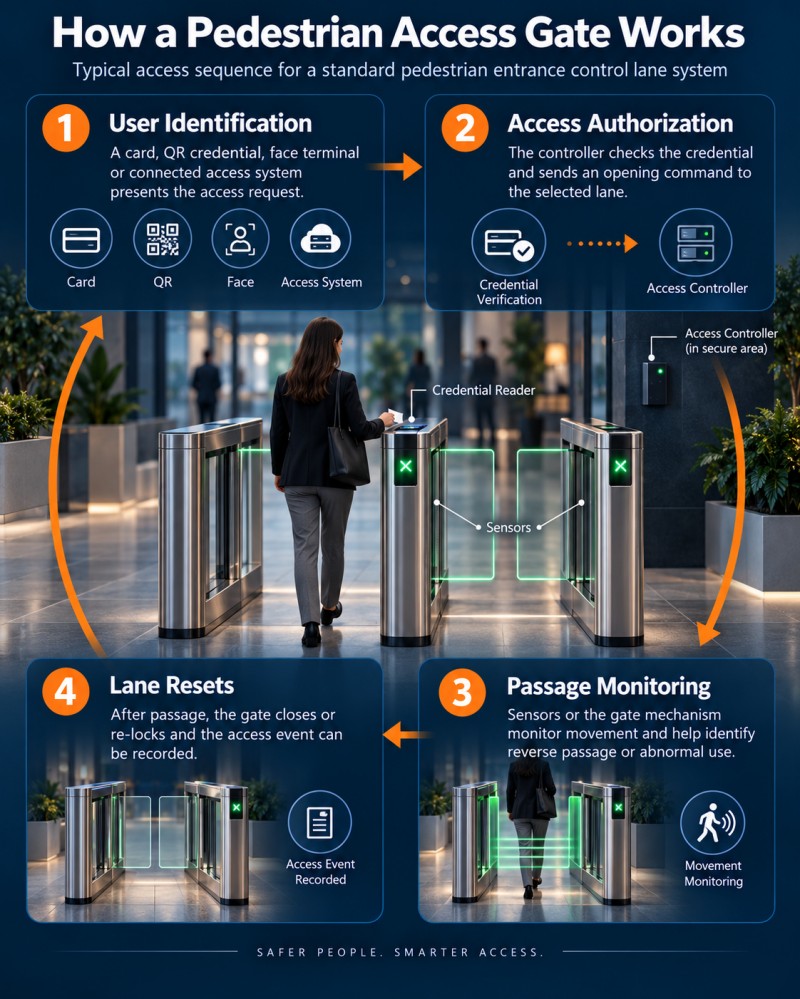
01
A card, QR credential, face terminal or connected access system presents the access request.
02
The controller checks the credential and sends an opening command to the selected lane.
03
Sensors or the gate mechanism monitor movement and help identify reverse passage or abnormal use.
04
After passage, the gate closes or re-locks and the access event can be recorded.
Applications
Match the product family to the users, traffic and operating priorities of the site.
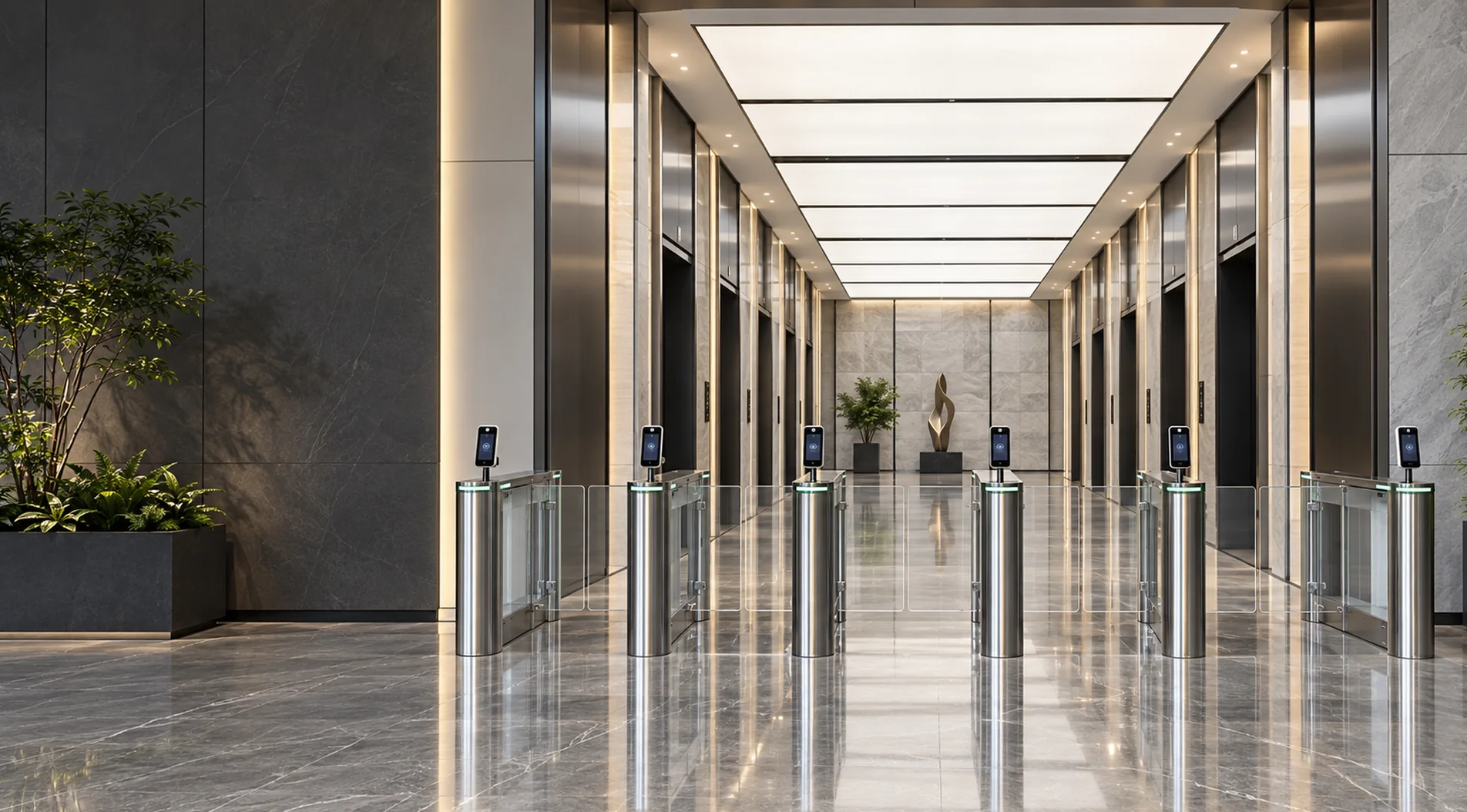
Manage employees, visitors and contractors near lobbies or lift halls.
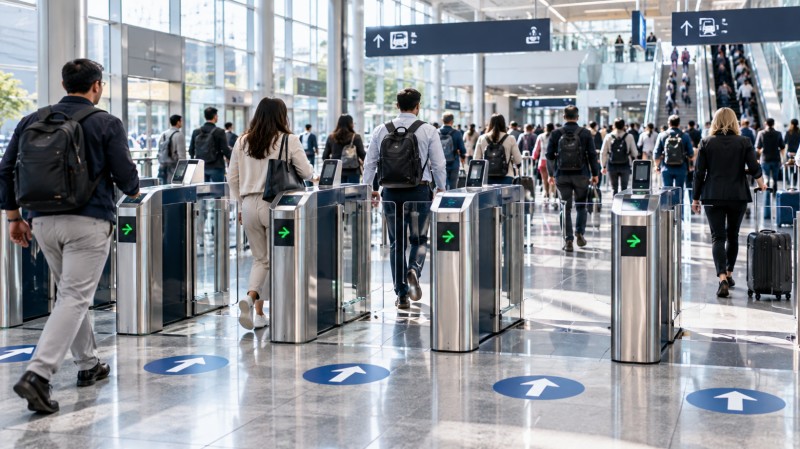
Organise high-volume pedestrian movement with clear lane direction.
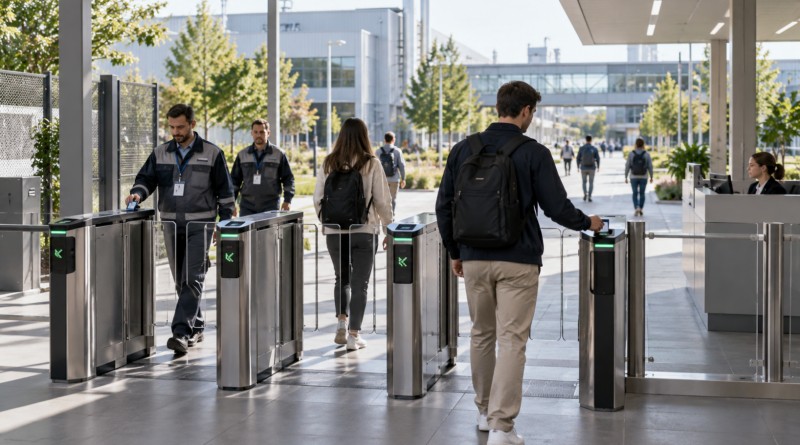
Separate authorised personnel from general visitor traffic.
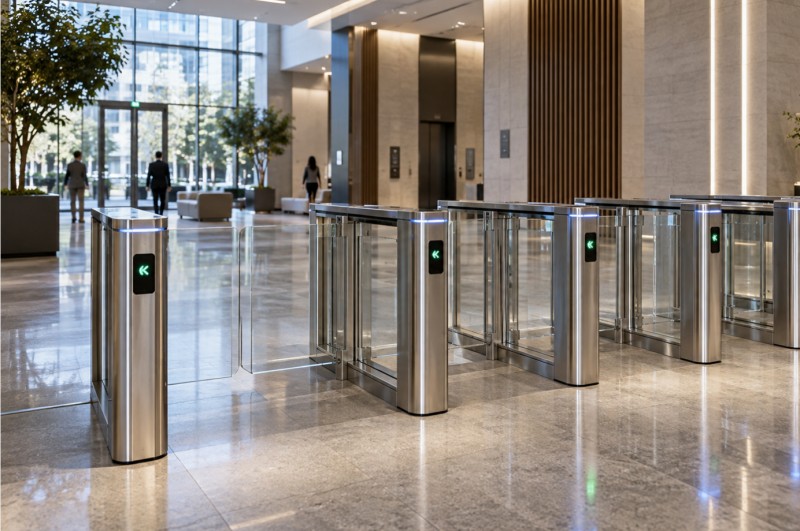
Control resident, member and guest access with an appropriate lane format.
FAQ
Answers to common questions that arise before product selection and quotation.
Throughput depends on lane width, credential speed, gate movement and user behaviour; speed or flap gates are often reviewed for busy indoor entrances.
A wider swing-gate lane or a dedicated accessible lane can be planned alongside standard lanes.
Yes, but the terminal dimensions, output interface and controller logic must be confirmed.
Required fail-safe behaviour and fire-alarm release must be defined for the project and local rules.
Share a layout, lane quantity, passage width, user volume, credential method, environment and destination requirements.
Project enquiry
Share the basic application and project requirements. Our team will review the information and follow up on a suitable product path.
More products
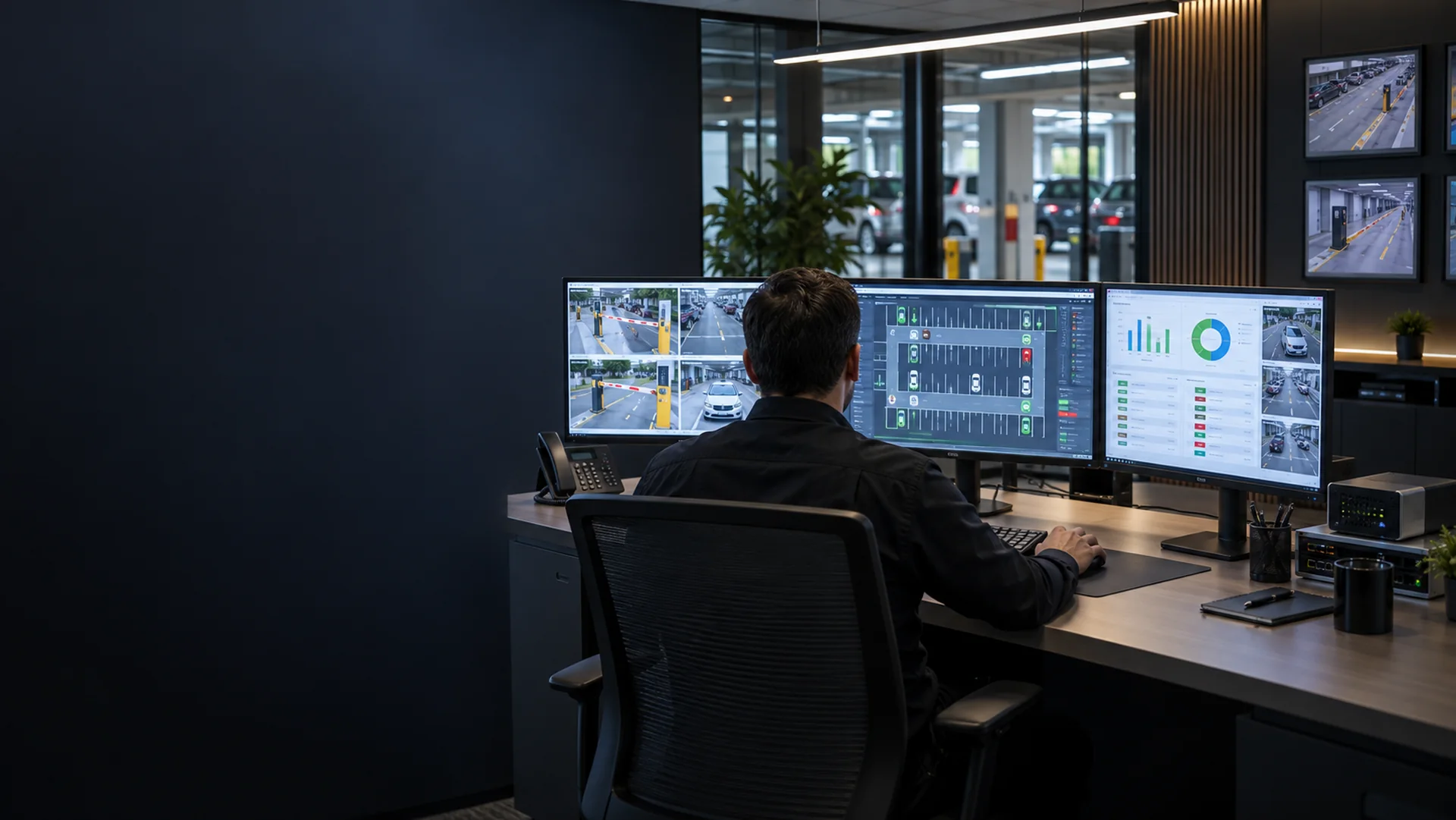
Continue comparing our product families for vehicle, pedestrian and parking-management projects.