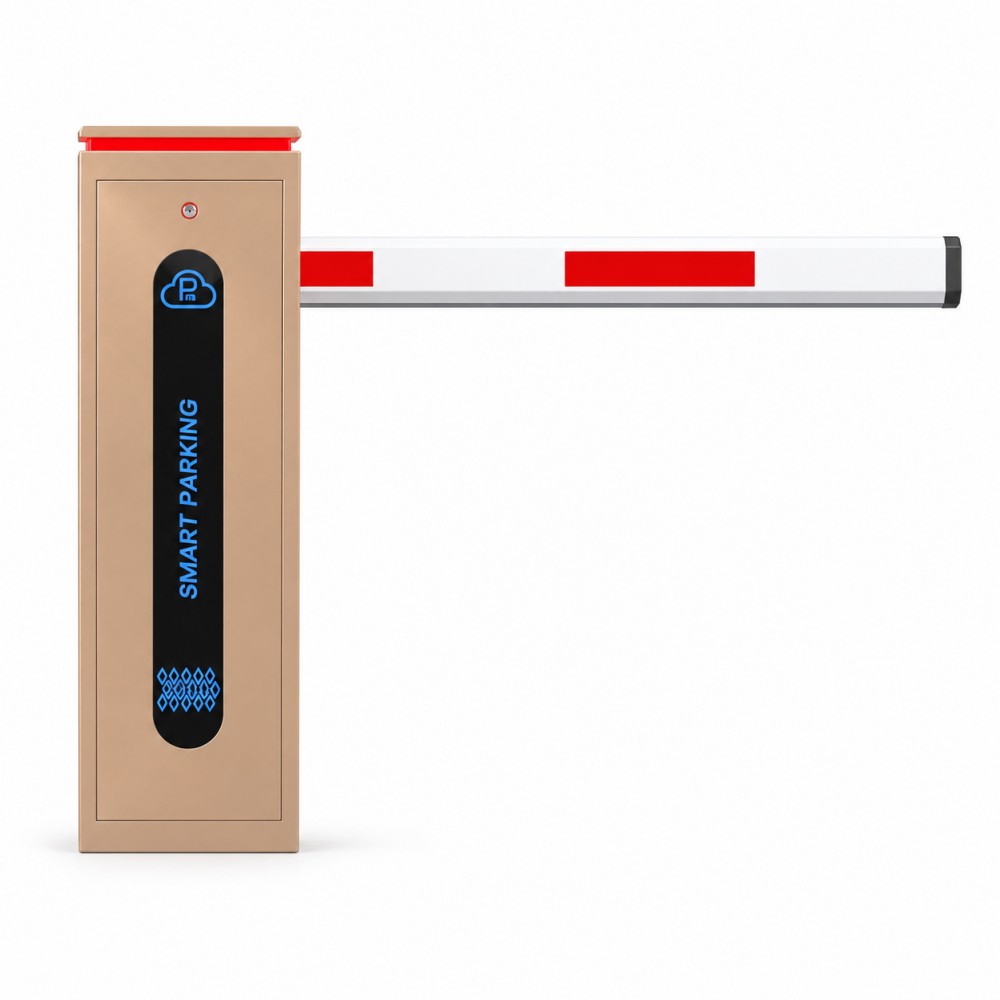
Product type
Straight Arm Barrier Gates
Straight-boom configurations for conventional vehicle lanes with clear overhead space.
Product model: To be confirmed
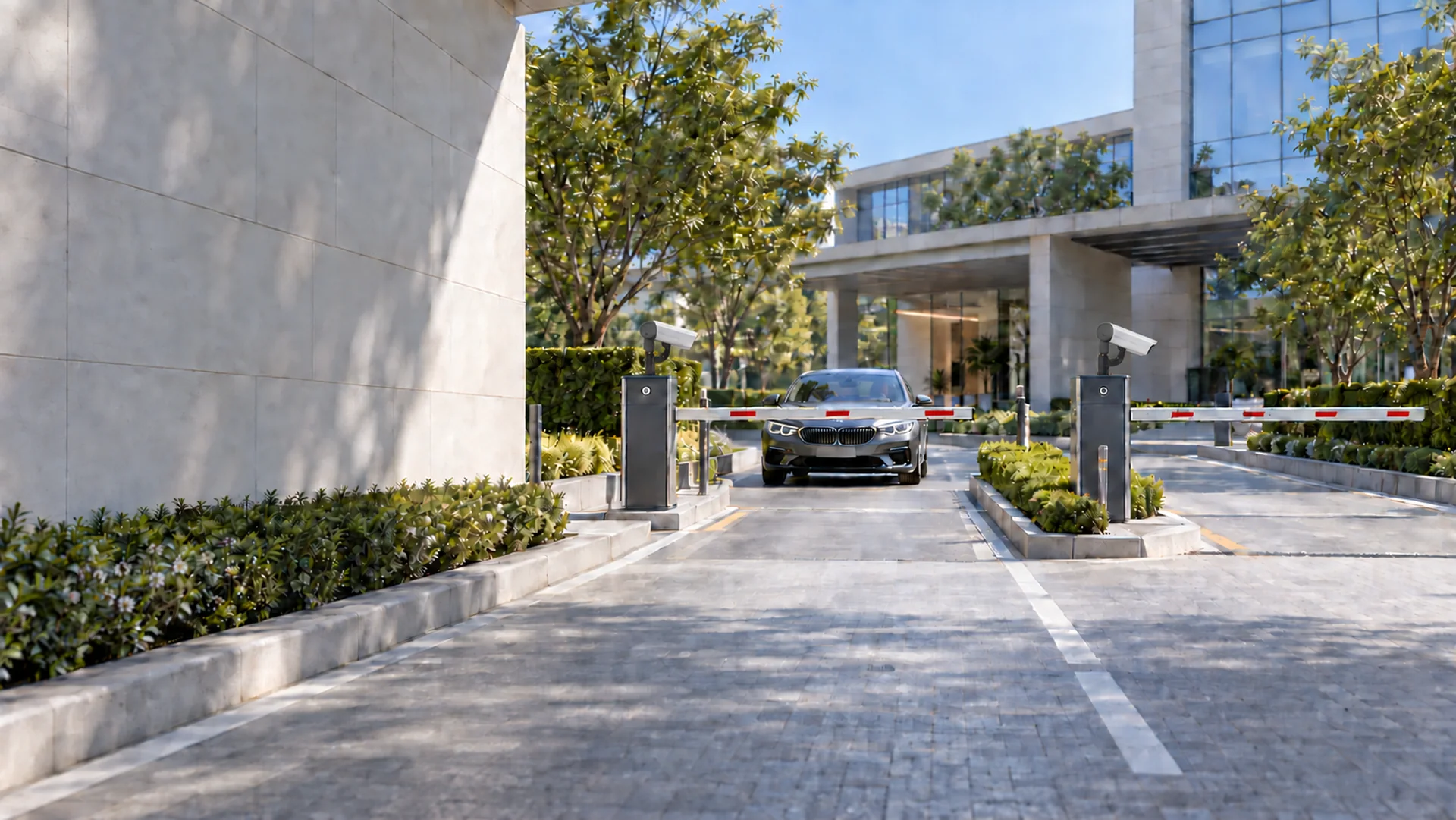
Vehicle entrance control
Compare boom-arm formats and operating platforms for controlled vehicle entrances, then confirm the lane geometry, traffic profile and safety devices for the project.
About this product series
A clear category overview helps connect product choices to the real entrance, users and operating workflow.
Automatic boom barrier gates control vehicle movement at parking entrances, residential compounds, commercial sites and managed roadways. We help overseas distributors, installers and project buyers compare arm formats, operating duty, lane geometry, identification methods and safety requirements before a configuration is quoted. A barrier is only one part of the entrance: reliable operation also depends on detectors, control signals, power conditions and the way exceptional vehicles are handled. This page explains the available barrier types and the practical questions that should be resolved before selecting a product model.
Product types
Compare the available product paths. Confirmed model numbers and final technical data will be added after the product records are approved.
Product type
Straight-boom configurations for conventional vehicle lanes with clear overhead space.
Product model: To be confirmed
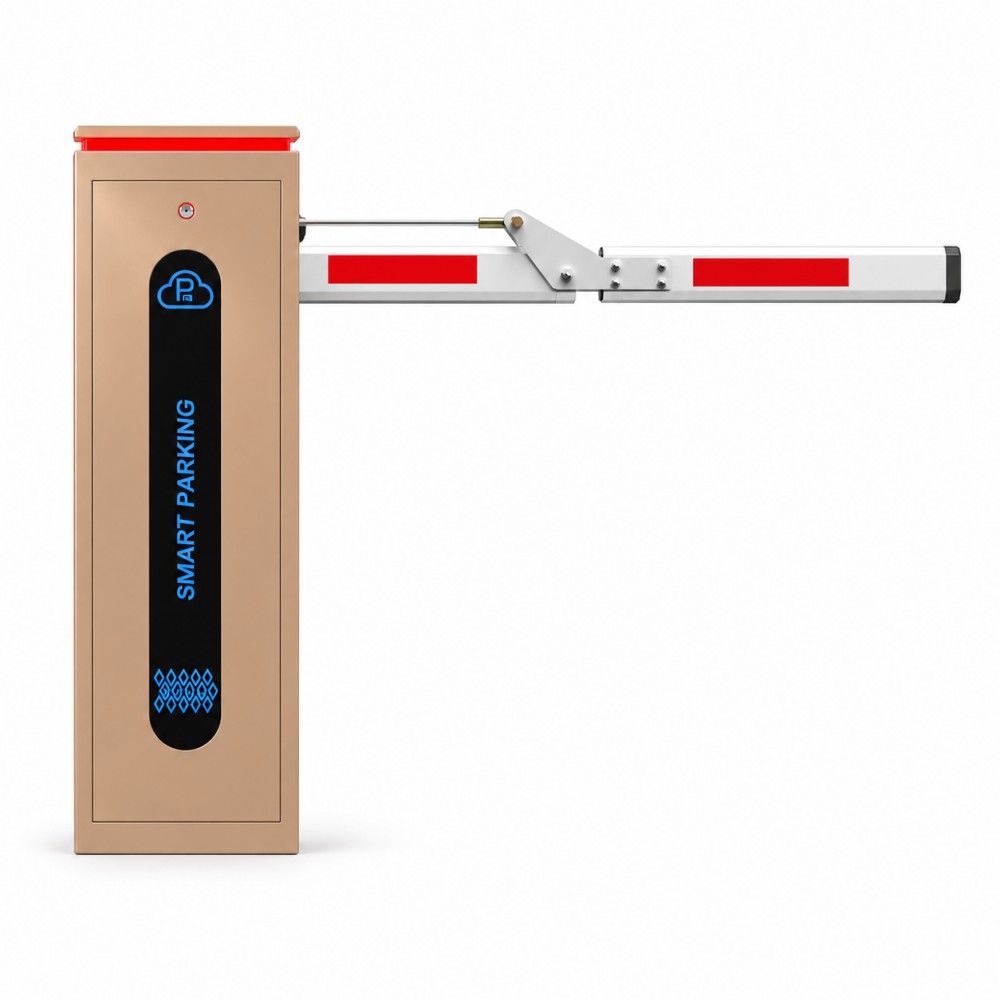
Product type
Folding-boom configurations for entrances with restricted ceiling or overhead clearance.
Product model: To be confirmed
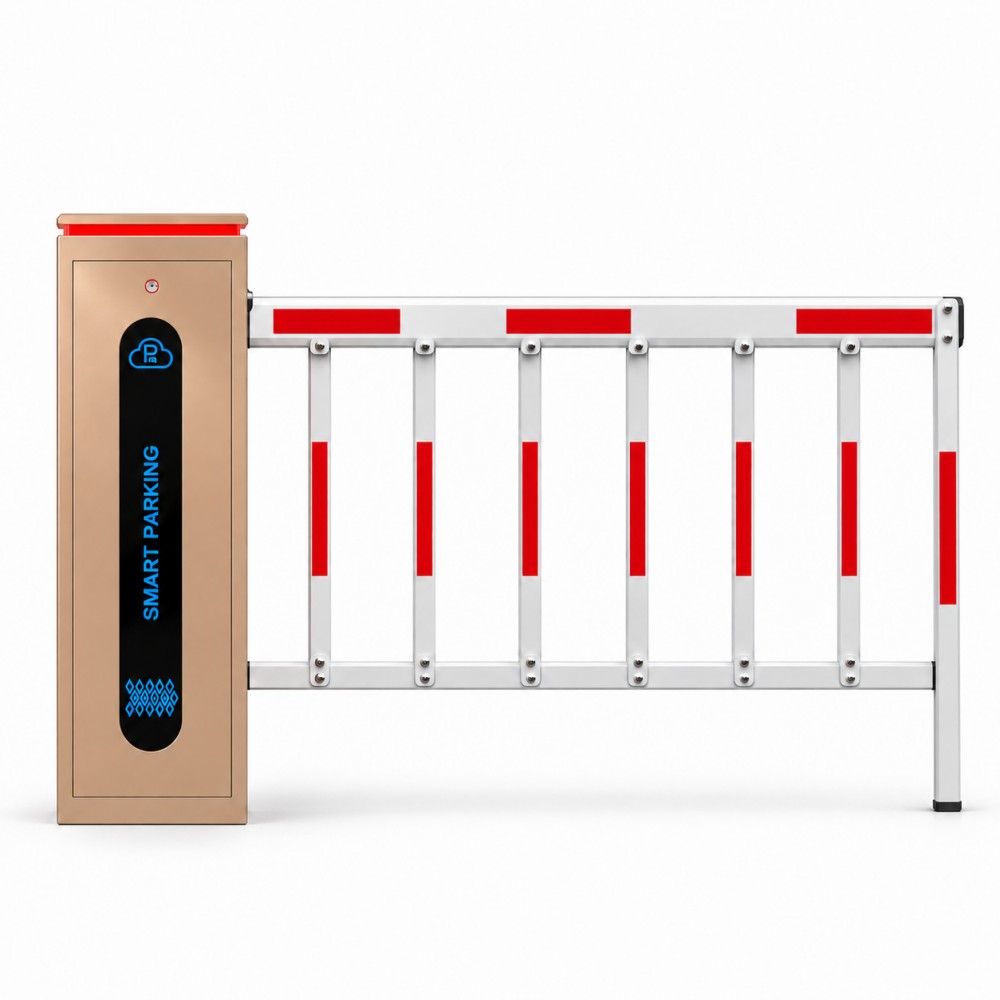
Product type
Fence-arm configurations for entrances that require a more visible physical lane boundary.
Product model: To be confirmed
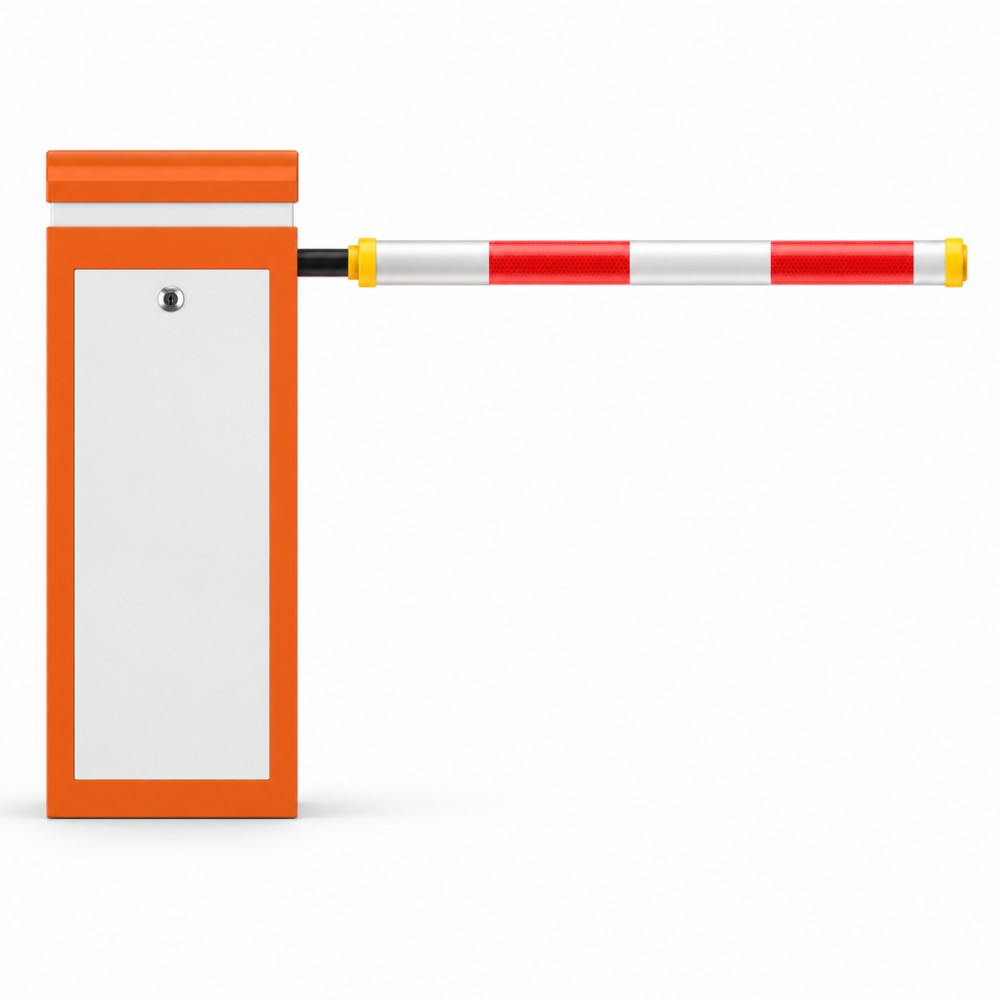
Product type
Fast-opening barrier platforms for short, controlled lanes where clearance time is a key selection factor.
Product model: To be confirmed
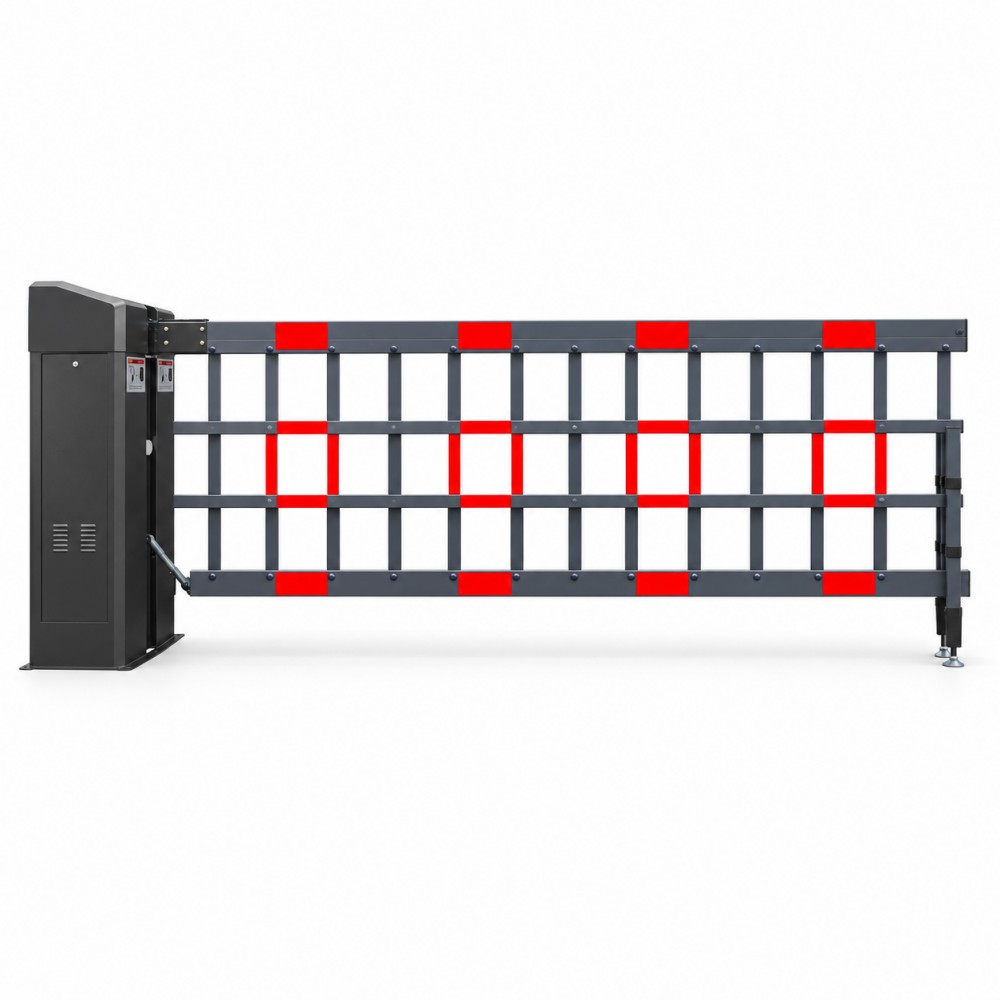
Product type
Robust barrier configurations selected around boom length, lane conditions and operating duty.
Product model: To be confirmed
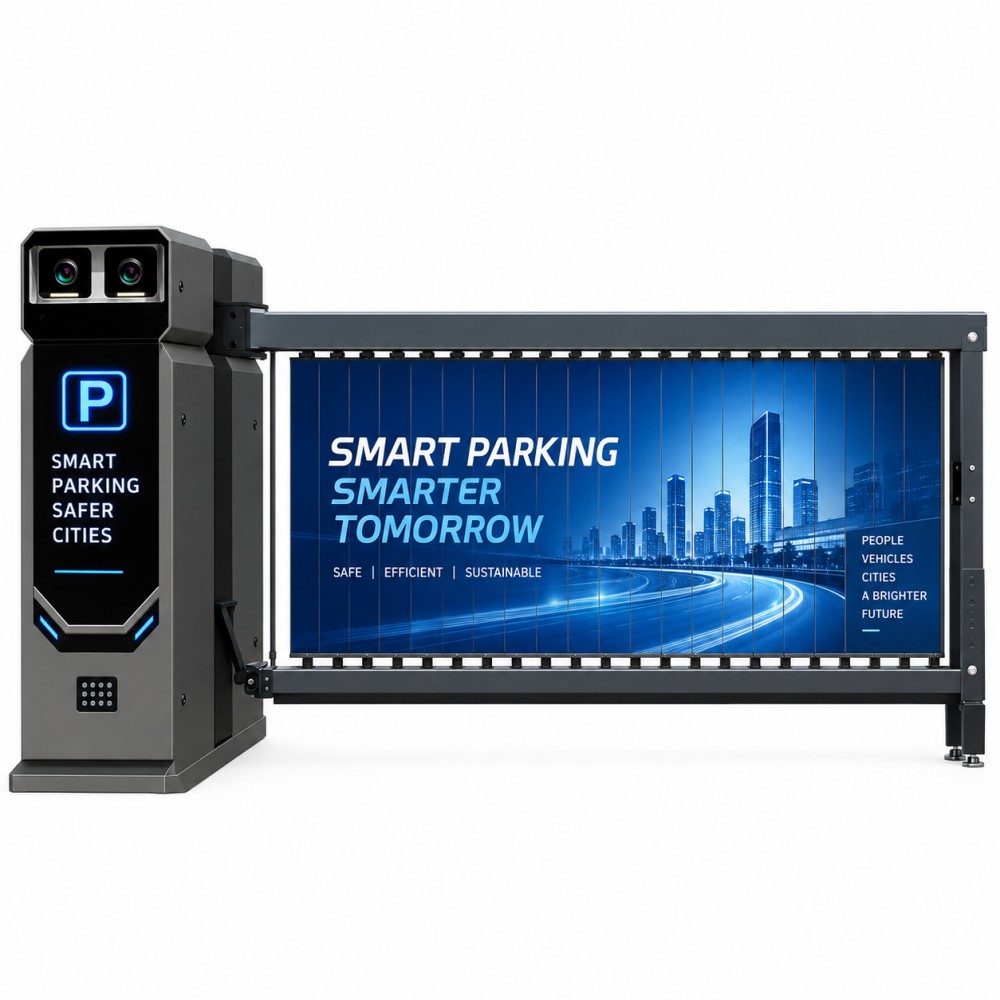
Product type
Drop-arm and advertising-panel formats for controlled entrances that also need a visible display surface.
Product model: To be confirmed
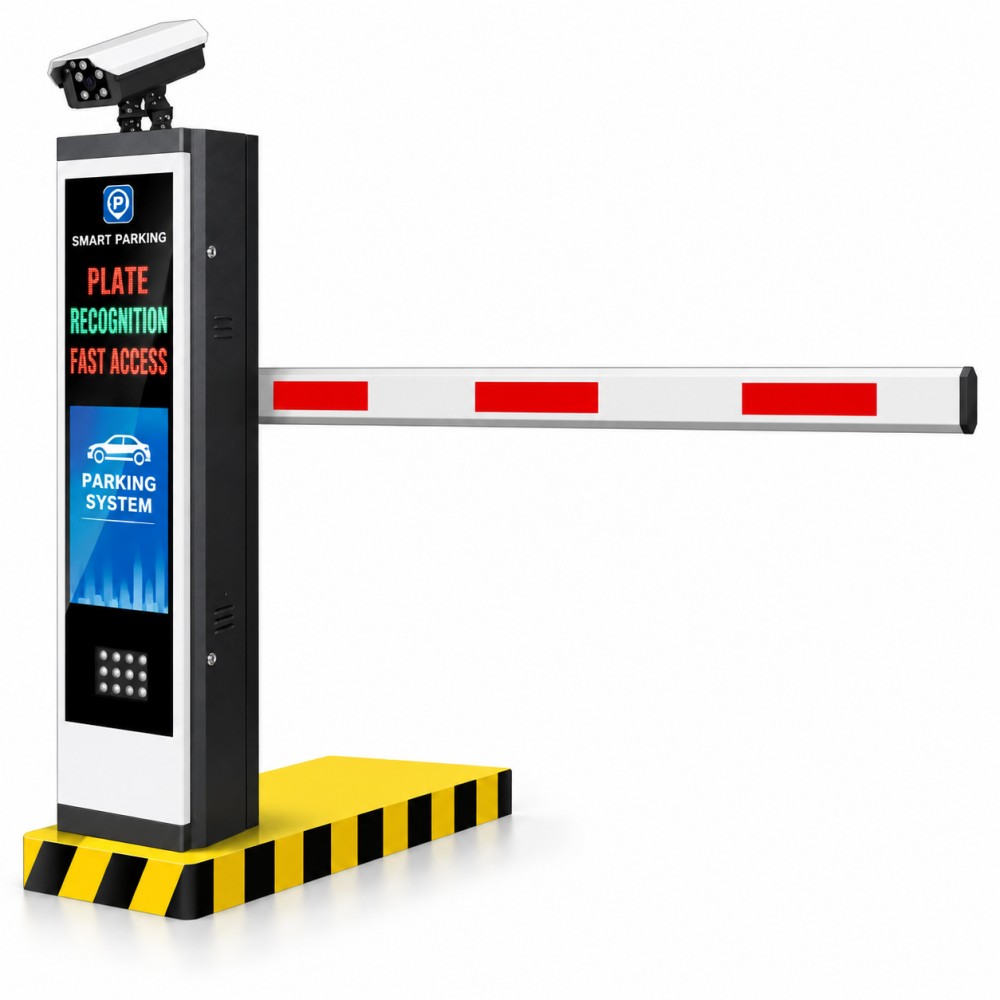
Product type
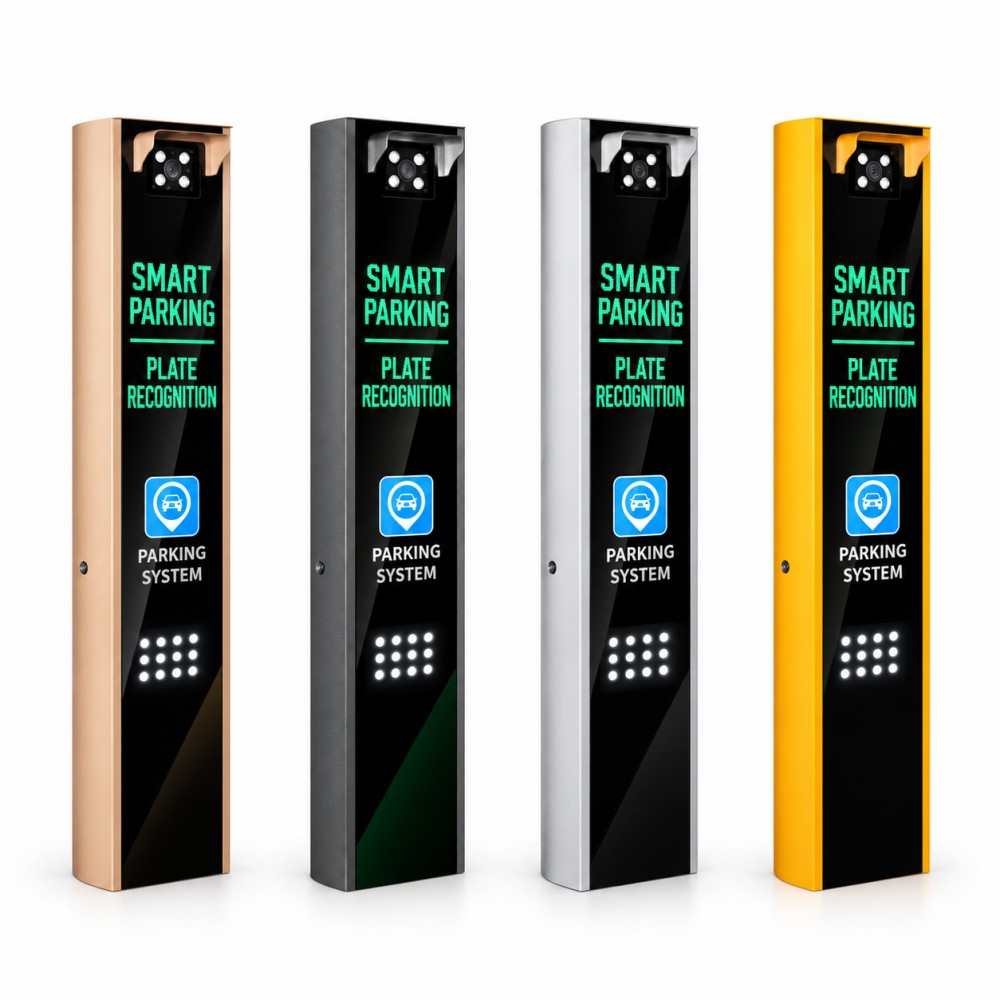
Integrated barrier gate configurations combine vehicle access control and license plate recognition in one project path.
Product model: To be confirmed
Selection overview
Use these points to narrow the product path before confirming an individual model.
Product knowledge
Understand the differences, system relationships and selection logic before comparing individual models.
01
Straight arms suit open lanes; folding arms address limited headroom; fence arms add a stronger visual boundary; advertising and heavy-duty formats answer different site priorities.
02
The barrier, detector, access decision and safety logic must work as one sequence. Confirm every input and output before installation.
03
A model that fits the lane width may still be unsuitable for the expected duty, wind exposure, clearance time or integration method.
How it works
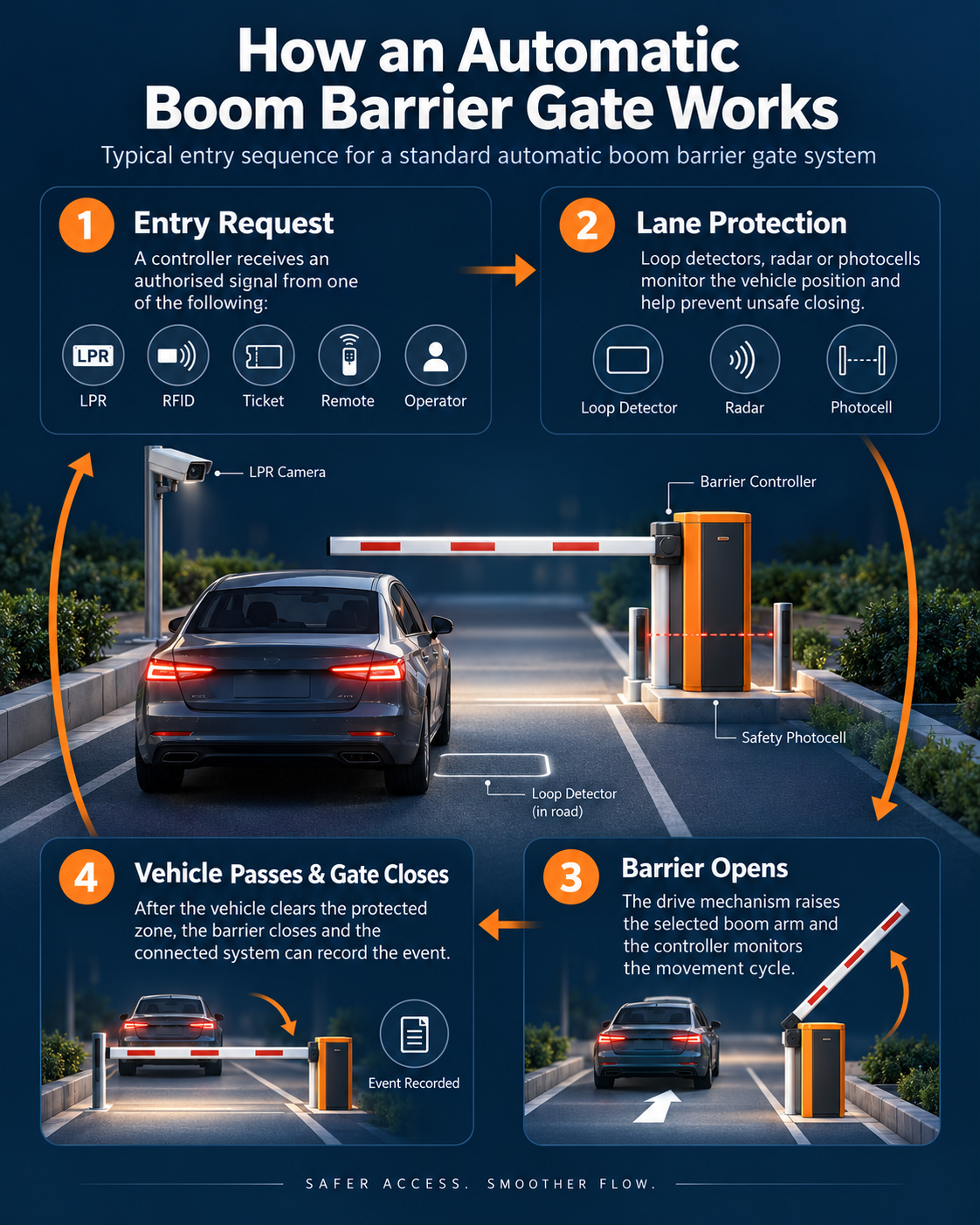
This workflow explains the typical sequence. The exact devices and control logic depend on the confirmed configuration.
01
A controller receives an authorised signal from LPR, RFID, a ticket terminal, remote control or an operator.
02
Loop detectors, radar or photocells monitor the vehicle position and help prevent unsafe closing.
03
The drive mechanism raises the selected boom arm and the controller monitors the movement cycle.
04
After the vehicle clears the protected zone, the barrier closes and the connected system can record the event.
Applications
Match the product family to the users, traffic and operating priorities of the site.
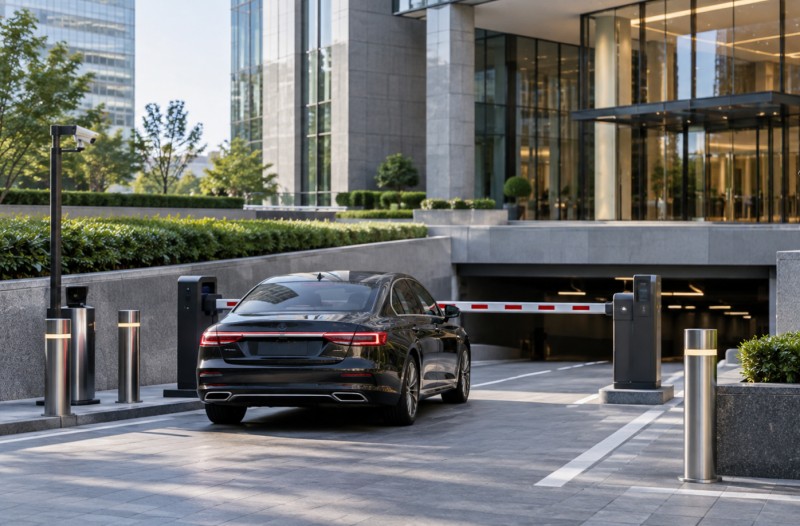
Manage visitor and tenant vehicle flow at busy entrances.
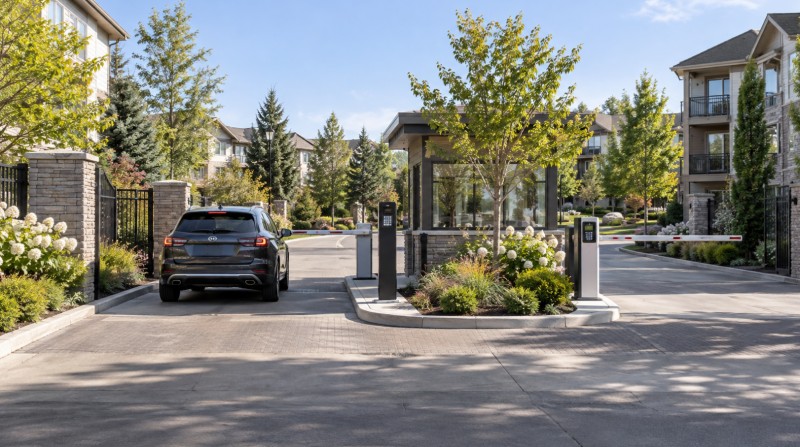
Provide routine resident access with a defined visitor process.
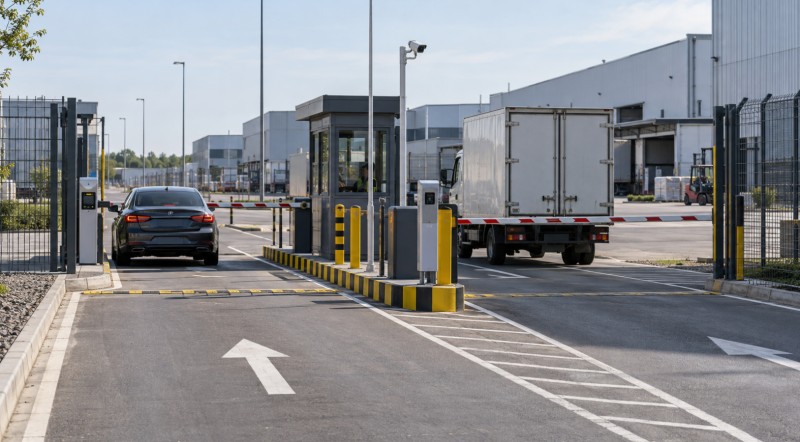
Control employee, fleet, contractor and delivery vehicles.
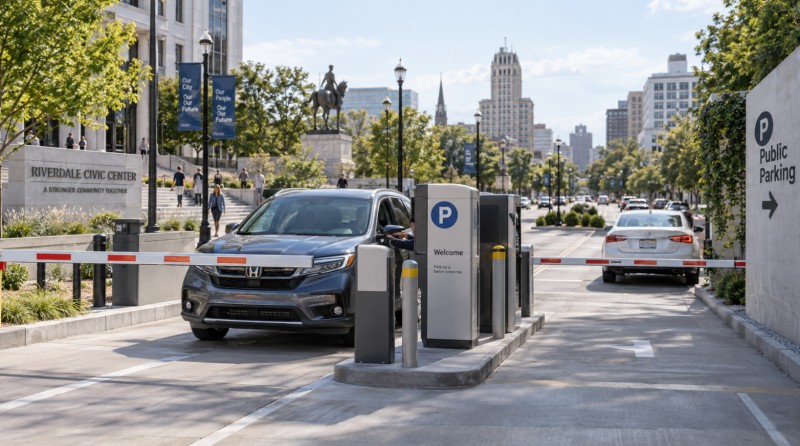
Coordinate access rules, operator actions and event records.
FAQ
Answers to common questions that arise before product selection and quotation.
Start with lane width, available headroom, visibility requirements and the physical boundary needed at the entrance.
Share quantity, clear lane width, boom length, traffic level, power supply, identification method, destination and required documents.
Yes, compatible controller inputs and the full lane workflow must be confirmed for the selected configuration.
Vehicle loops, radar, photocells and other devices are selected according to the lane geometry and required protection logic.
No. Model data, power configuration and documents must be confirmed against the final product and destination before quotation.
Project enquiry
Share the basic application and project requirements. Our team will review the information and follow up on a suitable product path.
More products
Continue comparing our product families for vehicle, pedestrian and parking-management projects.